
Wireless headphones have been the norm for around ten years, ever since Bluetooth established itself as the standard. And now this: on the street, in the subway or in video calls, more and more people are wearing earbuds with a cable dangling from their ears again. Has the fear of tangled cords disappeared? Not at all. But what may look like a bit of retro flair and nostalgia at first glance actually comes with real advantages.
Wired headphones are making a comeback
When Apple introduced the AirPods in 2016, the initial excitement was rather limited. Shortly before that, the company had removed the classic 3.5 mm headphone jack from the iPhone 7 – and the internet took it personally. Many didn’t see AirPods as the next big step. Instead, they seemed like an expensive solution to a problem hardly anyone had before.
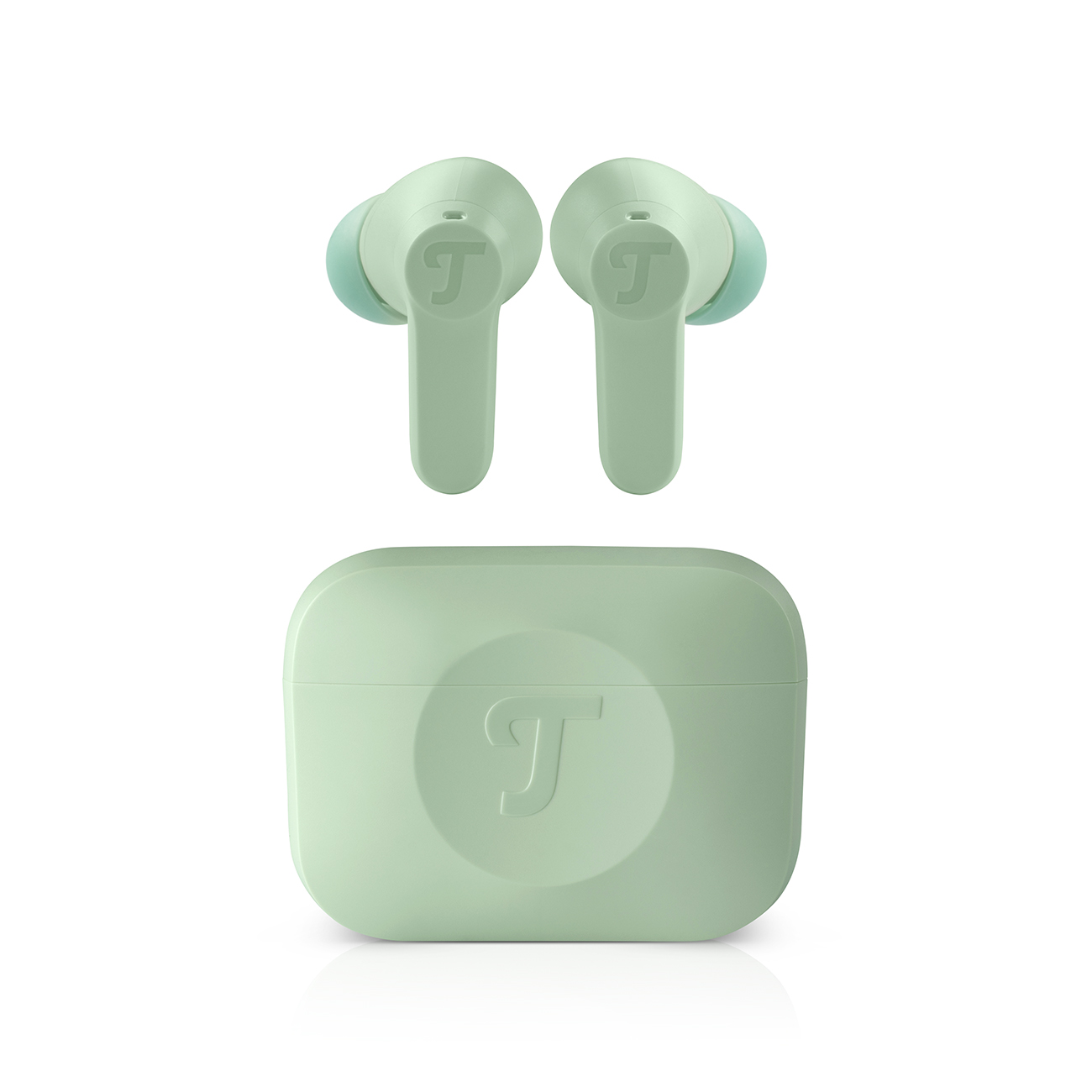
Today we know: the small white earbuds were massively underestimated. Wireless headphones have long since become the standard—and for good reason. Modern BluetoothOpens in new tab models are comfortable, versatile and the perfect choice for many situations (commuting, sports, office, travel and everything in between).
All the more amusing, then, that more and more people are suddenly seen with a cable hanging from their earbuds again. If you take a closer look around at work or in everyday life, you’ll notice: wired headphones are celebrating a surprising comeback, especially in the in-ear category.
Many celebrities are also joining in, making a – more or less deliberate – statement against the wireless mainstream: actress Zendaya, model Bella Hadid, rapper Drake, pop singers Justin Bieber and Harry Styles, and even the ever-smiling footballOpens in new tab icon Cristiano Ronaldo have been spotted with cables again. The corresponding posts spread rapidly on social media.
Why wired headphones are currently riding a wave of success is certainly also linked to current trends. Whether vinyl or cassette: retro is definitely in right now. The aesthetics of the ’90s and 2000s are also making a comeback. And it doesn’t stop at baggy jeans or ultra-slim sunglasses. People are also reaching for wired headphones again, since Discman, MP3 players or iPods almost always had a cable.
Cables have real advantages over Bluetooth
The retro look is one thing. The other: wired headphones also offer tangible advantages over their Bluetooth counterparts. The most obvious: wired headphones don’t need a battery. While wireless models often run out of power exactly when you need them, wired ones work every time you take them out of your pocket.
When it comes to transmission, cables still have strong arguments. Bluetooth has made huge progress and often sounds really good today—Bluetooth aptX even comes close to CD quality. Still, the wireless signal takes a detour: it is encoded, transmitted and reassembled. Especially with very inexpensive models, this can become noticeable. With a cable, the path is more direct—no details are sacrificed for bandwidth.
Then there’s the issue of latency. Usually, latency on Bluetooth models is small, sometimes barely noticeable—but when sound and image don’t quite match, it becomes immediately annoying. In video calls, gaming or streaming films and series, many people therefore find the direct cable connection much more pleasant.
And then there’s the price. Wireless headphones are technically more complex, especially true wireless models. Batteries, wireless tech, charging electronics and the case all have to be combined. Wired headphones are simpler—and can therefore deliver surprisingly good sound even at lower price points.
All headphones from Teufel
USB-C is accelerating the comeback
In recent years, wired headphones mainly had a very practical problem: the classic 3.5 mm jack disappeared not only from iPhones, but also from numerous other smartphones. Anyone who still wanted to make calls, watch videos or listen to music via headphones almost automatically ended up using Bluetooth.
 Opens in new tab
Things look different now. Alongside this development, alternative connection typesOpens in new tab have emerged, with USB-C increasingly establishing itself as a common standard. Whether smartphones, tablets, chargers or power banks: the small port can now be found almost everywhere. In the EU, since the end of 2024, many new mobile devices must support charging via USB-C (laptops since April 28, 2026).
This has been an important development for wired headphones: if smartphones, tablets and notebooks already use the port, a wired USB-C headphone is a much more elegant solution than a jack headphone plus adapter—provided the device supports audio via USB-C.
MOVE 2: wired listening with USB-C
Like its predecessor, the new MOVE 2 focuses on the essentials: hassle-free listening, simple operation and comfortable calling. Instead of a jack, the in-ear headphones now use a USB-C plug and can therefore be connected directly to many compatible smartphones, tablets, notebooks, PCs or Macs.
 Opens in new tab
In terms of sound quality, the MOVE 2Opens in new tab can easily keep up with larger models. Its Linear HD drivers are tuned for natural, high-resolution hi-fi sound. The large 9.1 mm drivers deliver rich, balanced bass, smooth mids and precise highs—perfectly tuned for everything you want to listen to, whether music, podcasts or videos. And the integrated digital USB-C sound card enables high, distortion-free levels on smartphones and notebooks.
The included inline remote is also practical. It lets you control play, pause and skip, answer calls or start the voice assistant without taking your smartphone out of your pocket. And thanks to the integrated microphone, your voice always comes through clearly during calls and voice messages.
Wired headphones: over-ear or on-ear models
 Opens in new tab
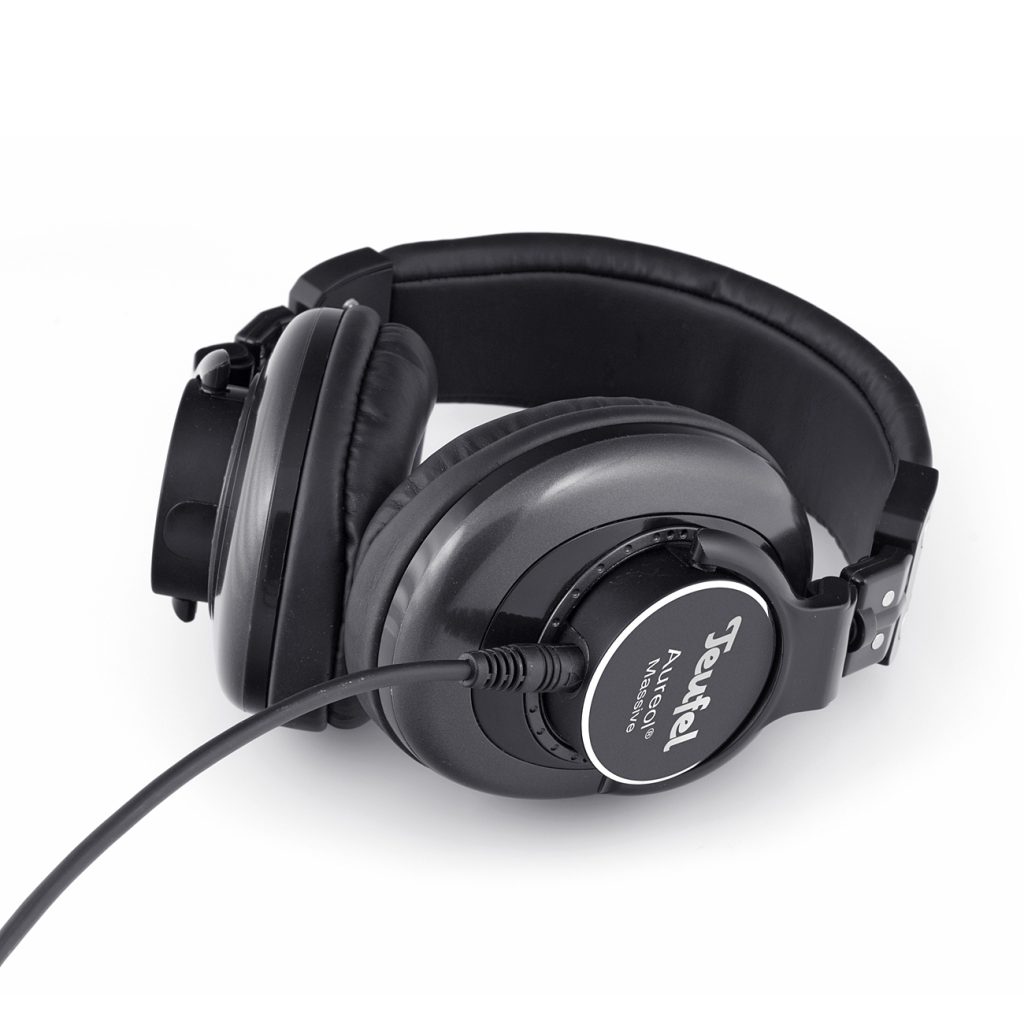
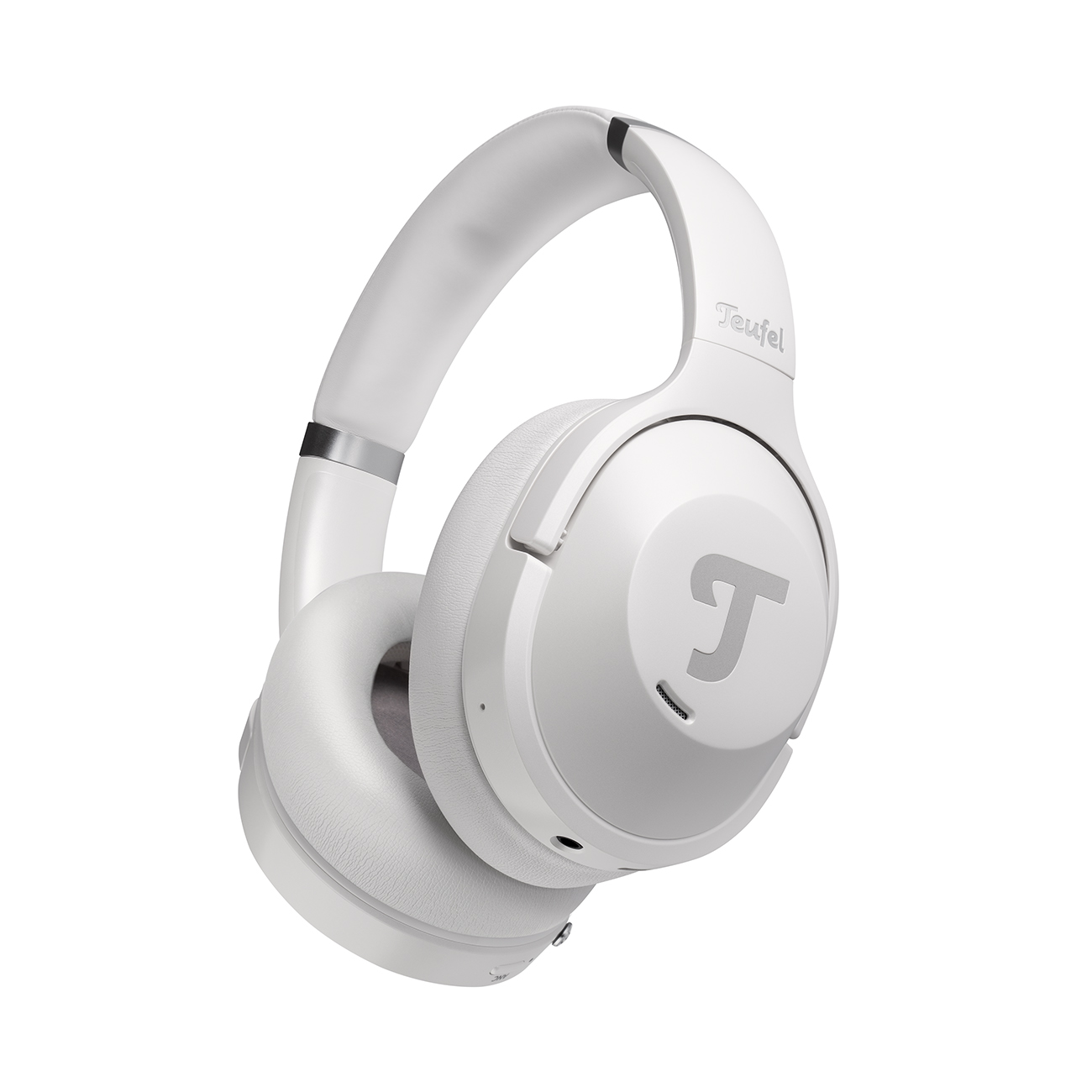
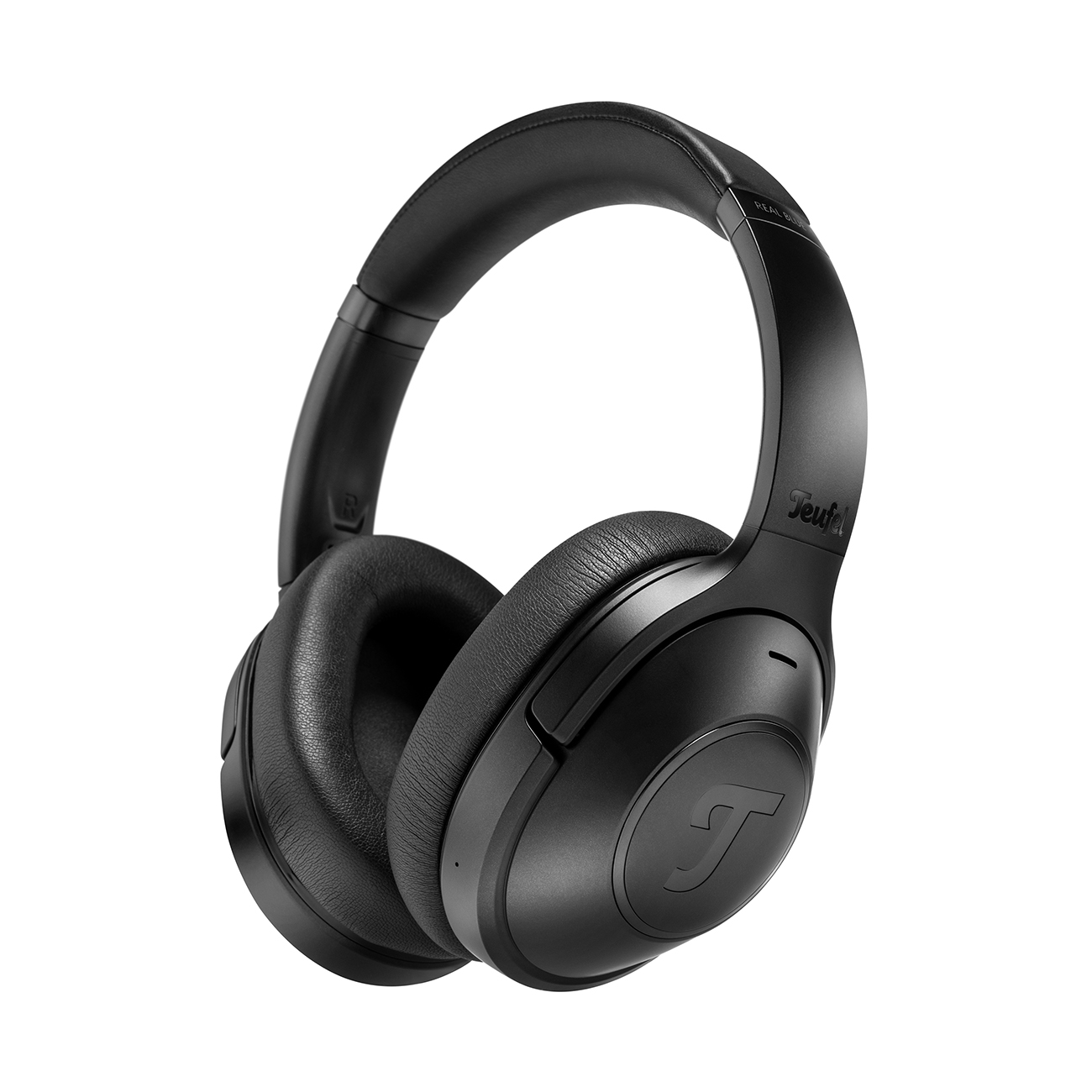
▶ The MOVE 2 is the obvious choice if you’re looking for compact in-ear headphones with USB-C. But wired headphones aren’t just available as small earbuds. Depending on your needs, another design might be worth considering: on-ear headphones sit directly on the ear and are also well suited for use on the go. Over-ear headphones, on the other hand, completely enclose the ear and often deliver more bass.
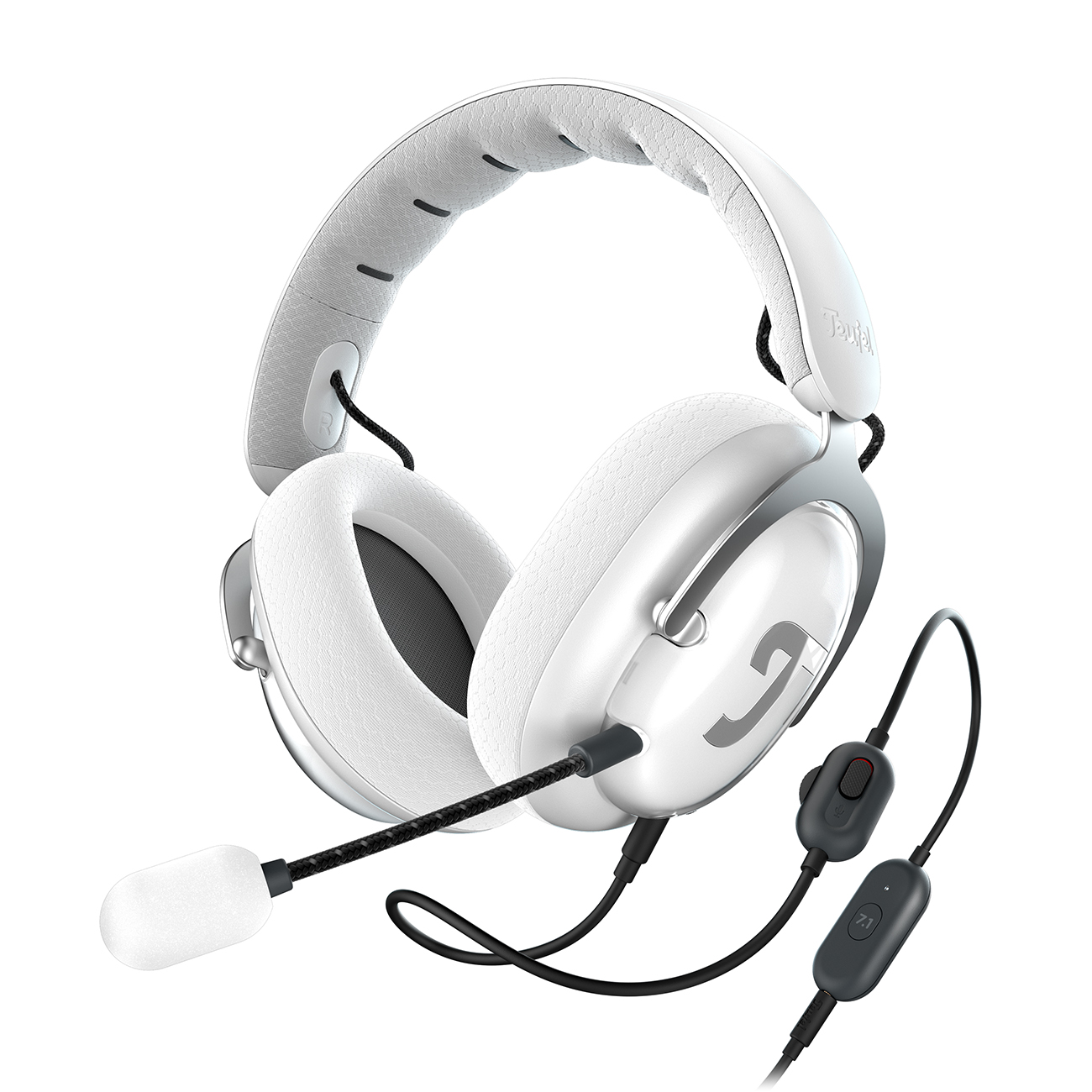
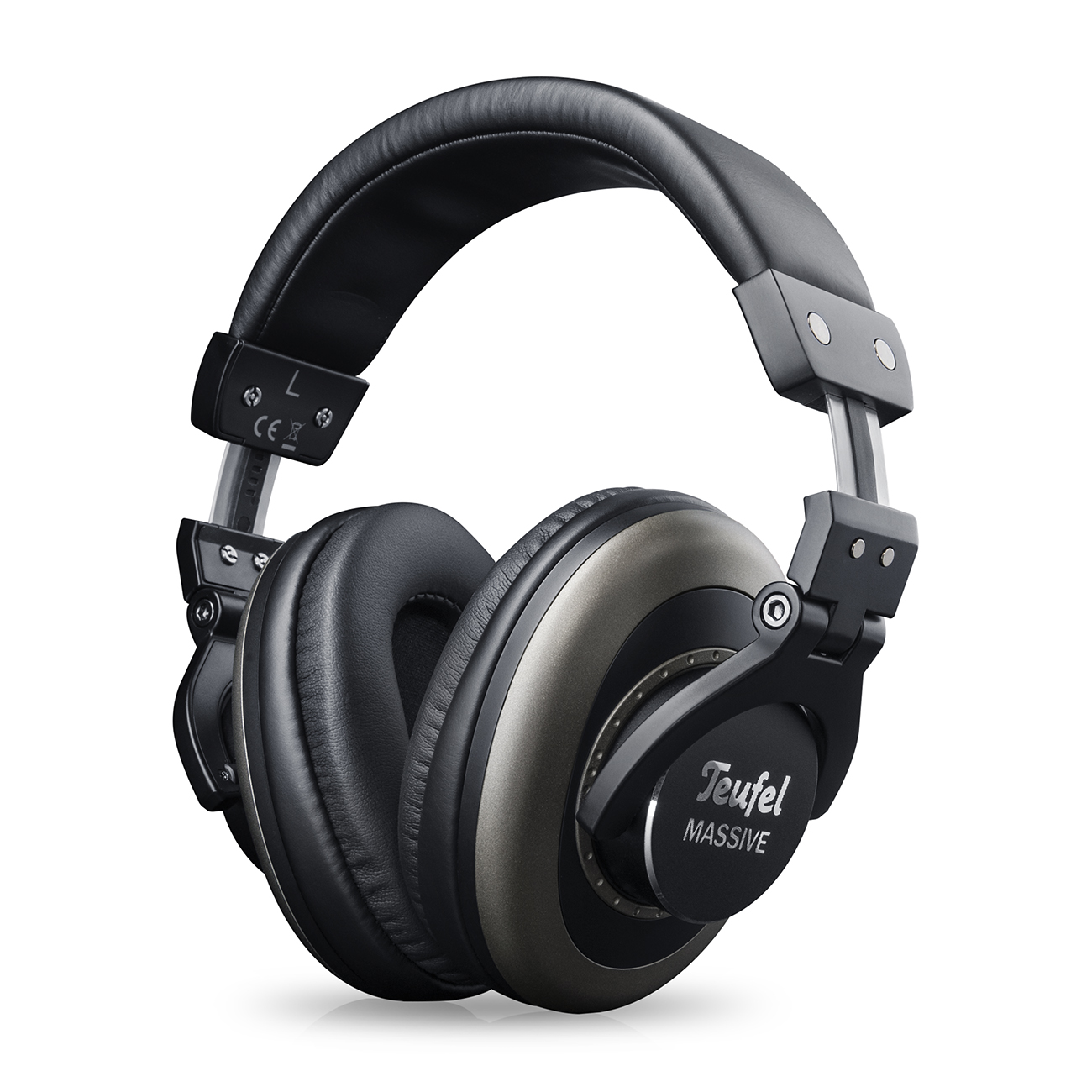
▶ MASSIVEOpens in new tab: Over-ear, closed hi-fi headphones. With 50 mm neodymium drivers and an aluminum-copper voice coil, they deliver powerful bass and silky highs. Robust design thanks to the aluminum headband.
▶ SUPREME ONOpens in new tab: Stylish on-ear headphones with precise highs and strong punchy bass. The soft padding and low weight ensure a comfortable fit—ideal if you want to listen comfortably for longer periods.
On-ear and over-ear headphones from Teufel
Conclusion
- Wired headphones are currently making a comeback—not just because of their stylish retro look, but also due to real acoustic advantages.
- Bluetooth models are strong when freedom of movement is key or when your smartphone can be further away.
- Wired headphones excel when you want things to be as simple as possible: no battery checks, pairing issues or searching for the charging case.
- Enjoy simple plug & play with USB-C. The MOVE 2 fits perfectly: lightweight in-ears with USB-C, inline remote and headset function.
Frequently asked questions about wired headphones
Not necessarily. Wired headphones offer a more direct sound experience, don’t require a battery and don’t need to be paired. Bluetooth headphones, on the other hand, offer greater freedom of movement and, depending on the model, handy features such as noise cancelling or transparency mode. So it’s not a question of which is better or worse, but rather which is best suited to the situation.
Not automatically. Many modern smartphones support audio via USB-C, but not every device is compatible with every USB-C headphone. Before buying, it is therefore worth checking the specifications provided by the manufacturer of your smartphone or tablet.
Wired in-ear headphones are a good choice if you’re looking for a lightweight, compact solution for when you’re on the move – for example, for music, podcasts, video calls or TV series. They’re particularly handy if you don’t want to have to charge a battery or set up a Bluetooth connection first.
Cover image: AI-generated image