

How radio changed — and how it stayed the same
When we refer to radio in the context of transmitting audio over the internet, we’re not talking about radio frequency signals. Instead, it’s the live broadcasting element that makes internet radio “radio” in the traditional sense. This is the one essential feature it shares with its predecessor. Unlike downloadable podcasts or on-demand music and movie streams, internet radio streams are either broadcast live or streamed as non-downloadable content that cannot be stopped, paused or replayed. This is an important point to consider when looking for up-to-date news. It also makes the quality of talk radio so much more direct and personal. Every off-the-cuff remark or mistake is being made live, even if it is being broadcast from thousands of miles away. Unlike recordings, radio connects us with a never-ending stream of the present. This is part of the charm: That the song we hear can’t be simply replayed. We have to enjoy it now. Pioneered by Carl Malamud in 1993, the US radio station WXYC in Chapel Hill, North Carolina became the first terrestrial radio station to also broadcast online. By 1995, the first internet-only radio stations had been founded. In the ensuing years, both analog / web radio combinations and internet-only radio stations have proliferated. Not only are web radio stations from around the world within the range of just about anyone, broadcasting technology has gotten easier to use, leading to smaller, more niche stations offering a greater variety of news, talk and music options. Just as with online news and media, the internet has leveled the playing field for broadcasters. This means that along with the highly professional and well-funded stations, many smaller broadcasters can make their content available. The only problem with so much choice is finding a way to find the content that’s right for you. This is where services like TuneIn come in handy. TuneIn curates over 100,000 web radio stations from around the world as well as millions of other on-demand programs and podcasts. Available online as well as via app, the service functions as a single easy-to-use portal to the ever-expanding galaxy of music and content available on internet radio. For instance, TuneIn divides web radio stations into genres and regions with a separate section for local stations. Once you find a couple of stations you like, you can set them as favourites for easy access to their streams the next time you “tune in.”How does internet radio work?
Compared to the effort and expense involved in broadcasting via radio frequency waves, an internet radio station is truly easy to create. All one really needs is a computer with a broadband connection and broadcasting software. Those who plan to do a lot of talking should also invest in a microphone, but decent microphones can be found for under 15 Euro. The software does most of the work for you, packaging your content and sending it to a streaming audio server. An alternative to server-based streams is peer-to-peer transmission. With this transmission method, the data is not stored on a server from where it is accessed by listeners. Instead the content is shared among listeners and all those who receive the radio stream also send it to others, a bit like a torrent. Software for this decentralized method of distribution is also readily available.But what about licensing?
In some countries like the United Kingdom, it’s necessary to acquire a license to run an internet radio station. Unless you plan to only broadcast talk radio or your own music, you’ll also have to get up to speed on laws pertaining to music licensing. As with the running of an internet station, each country will have different laws protecting the intellectual property rights of recording artists. In America, three PROs (Performing Rights Organizations) act as gate keepers for most licensed music: The ASCAP (the American Society of Composers, Authors and Publishers), BMI (Broadcast Music) and the SESAC. Each allows broadcasters to pay a fixed sum for playing music within their catalog, an arrangement that allows artists to receive compensation and broadcasters to maintain a good degree of flexibility in what they play and when. In Germany, a single organization known as GEMA is in charge of ensuring that those who play licensed music also pay the royalty fees for the right. There are always local artists or newcomers who haven’t registered with a PRO whose music can be played for free. In these instances, the artist is happy to get the air play (to use a term for the old days of analog radio) so it’s a win-win situation. In any event, whoever wants to run an internet radio station will have to do a little research regarding licensing fees.Teufel and Raumfeld products for internet radio
Unlike many older technologies, analog radio has not been completely replaced by internet radio, nor is it likely to be. True, it’s easy to get a web radio station up and running — provided one has computer, the software, broadband, etc. But in terms of reception, nothing is as easy or inexpensive as analog radio. This lower tech option is often still the only thing available in places with no internet access. There are also any number of situations in which traditional radio can really come in handy. Finally, it’s nice to have a back up. Internet down? Power out? A small battery-run radio is all you need to reconnect with civilization. That’s why Teufel continues to produce products like the BOOMSTEROpens in new tab, BOOMSTER XLOpens in new tab and the MusicStationOpens in new tab that receive standard FM radio signals.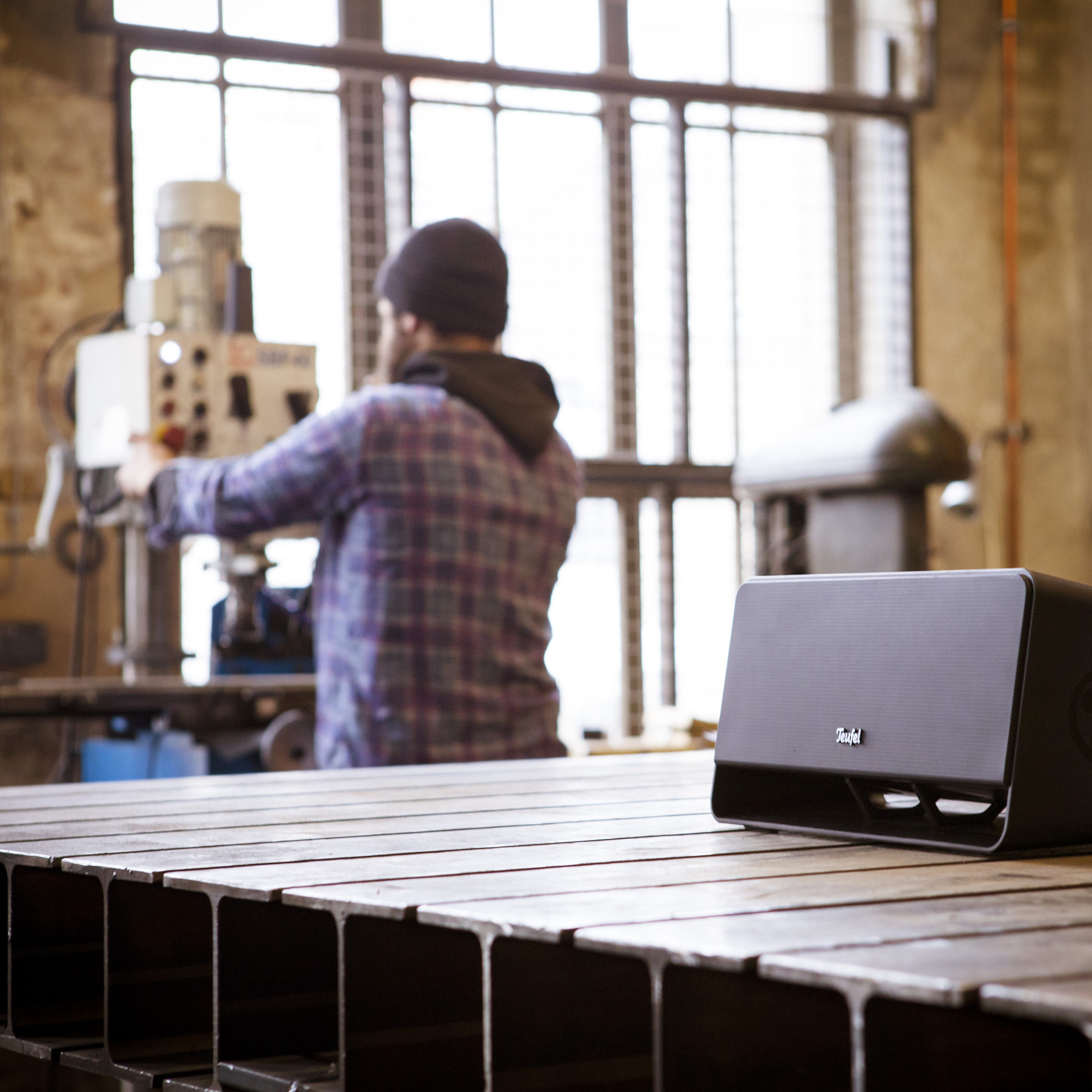
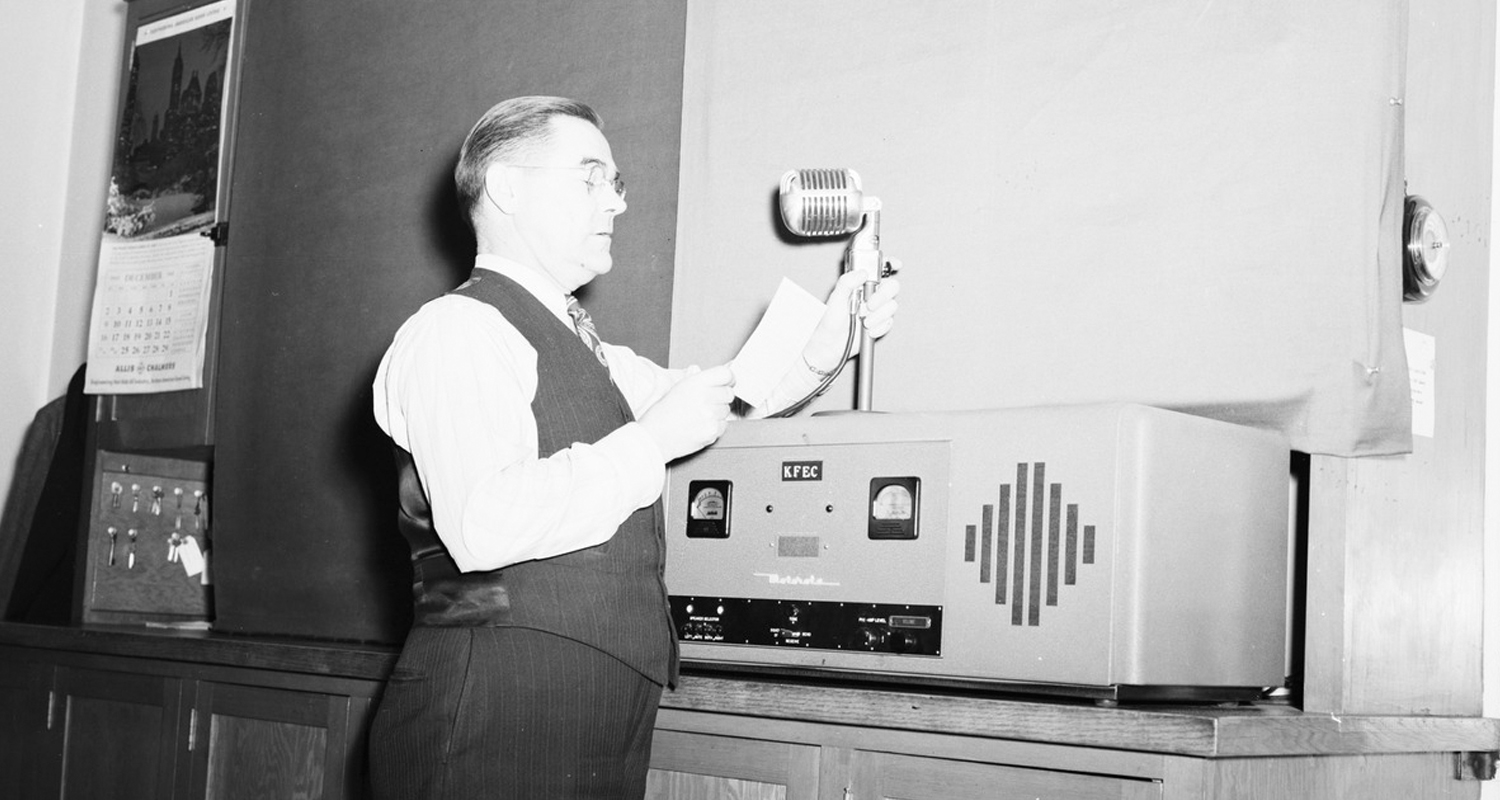
Title picture: By By Seattle Municipal Archives from Seattle, WA (Radio dispatcher George Trevorrow, 1945) [CC BY 2.0 (http://creativecommons.org/licenses/by/2.0)], via Wikimedia Commons



Leave a Reply