
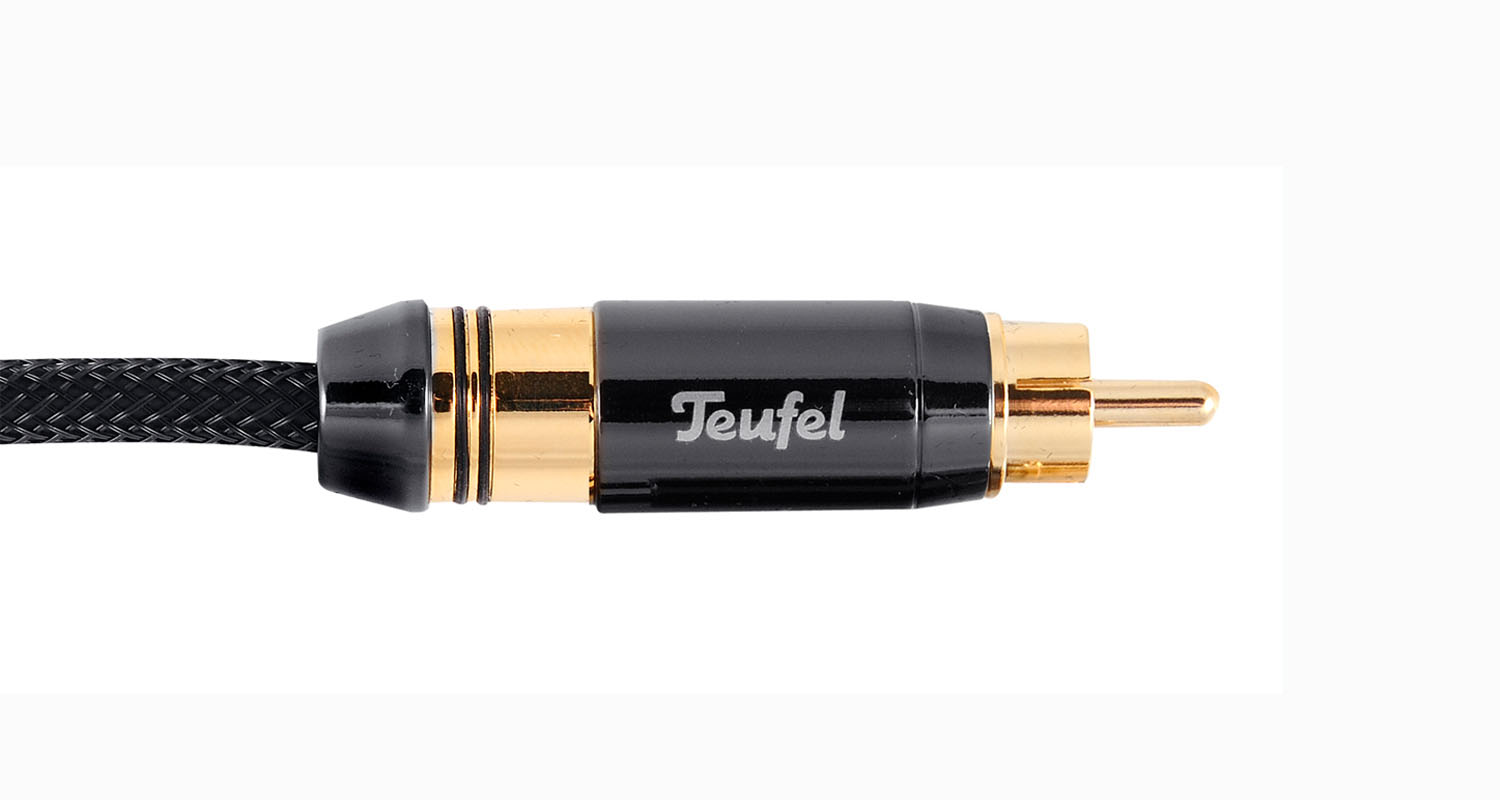

Speaker cable basics
Each speaker in a stereo or home cinema system is fed its own electrical signal. A cable leading from an AV receiver or amplifier provides this signal. With a traditional 5.1 surround system, there will be 6 cables and with a larger 7.1, there will be 8 cables. The subwoofer is usually connected via a mono stereo cable. The other speakers are connected via 2-core stereo cables in which two copper wires, each consisting of many thin copper strands, carry the audio signal from the source to the speakers. The cables are covered with a synthetic cover so that only the ends of the wires are exposed.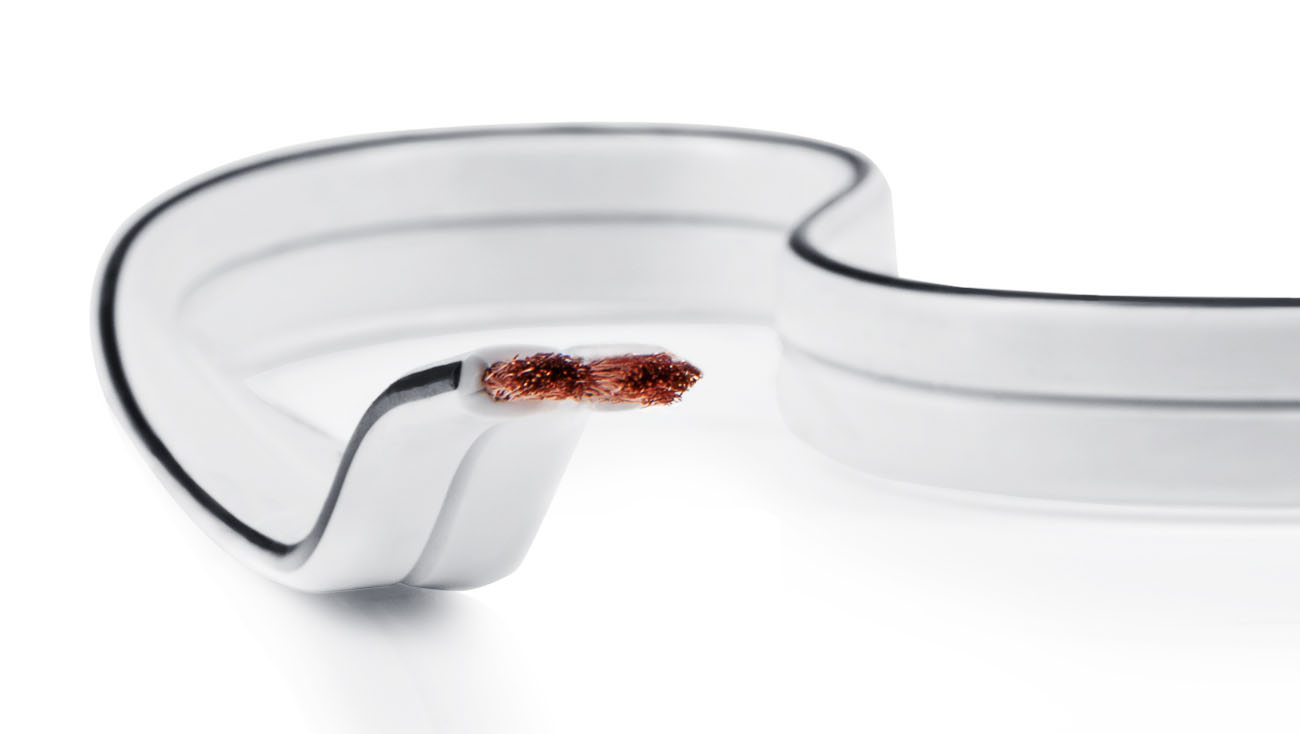
Connecting speaker cables step-by-step
- Place the speakers and receiver where you want them, ideally with easy access to the connection panels.
- Lay the speaker cables in such a way that you’ll be unlikely to trip over them. There are many ways to secure and conceal cables from ducts to adhesive backed tape. You can even hide the cables behind foam mouldings along your wall.
- Line up the speaker cable with the correct output on your receiver or amplifier. This is actually quite easy as the connections are clearly labelled. The cable from the speaker on the right side of your stereo or surround system connects to the output marker “Speaker right.”
- Unscrew the binding posts on your AV receiver or amplifier enough so that a gap appears. The gap must be big enough to accomodate the stripped end of a speaker cable.
- Thread the stripped cable end into the terminal in such a way that none of the strands that make up the wire split off.
- Take care not to attach the cables to the wrong poles. The cable ends connected to the positive poles on the loudspeakers need to connect to the positive poles on the receiver. If the poles are not aligned, the driver membranes will work in the opposite direction. But not to fear: Speaker cables are colour-coordinated in order to help with this process.
Connecting speaker cables with banana plugs and cable lugs
The individual strands of cable wire have been known to be stubborn and resist attempts to stick together. That’s why banana plugs and cable lugs were invented: To create neater connection points between cables and terminals.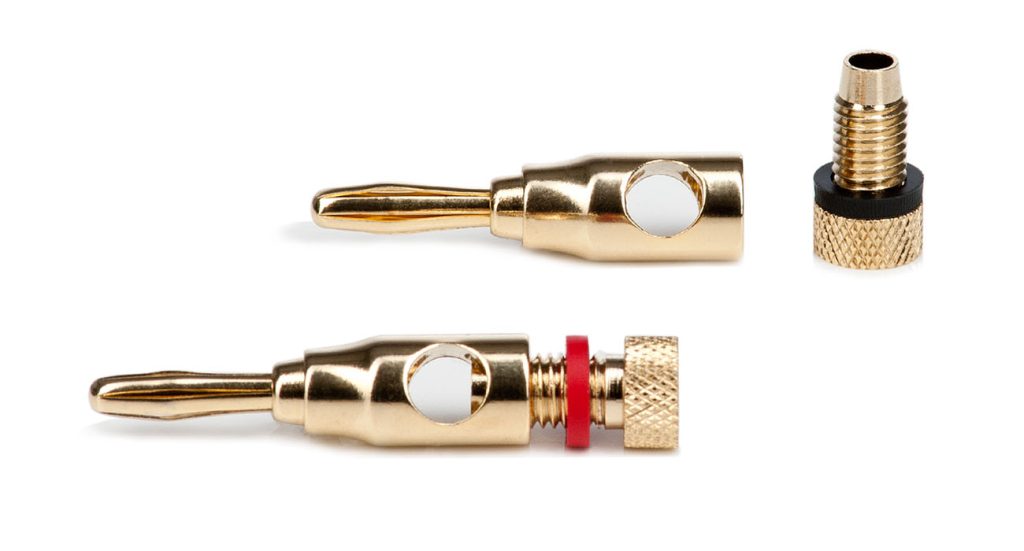
Coda: Connecting speaker cables, the dreaded task is easier than you think
- Hi-fi loudspeaker cable usually consists of two copper wires surrounded by a protective jacket
- Subwoofers are generally connected to a special “sub out“ via a mono RCA cable
- Exposed speaker wire at the end of the cable inserts directly into the binding posts on an AV receiver or amplifier
- Alternative connection options include banana plugs and speaker lugs
All pictures: Property of Teufel Audio





Leave a Reply