
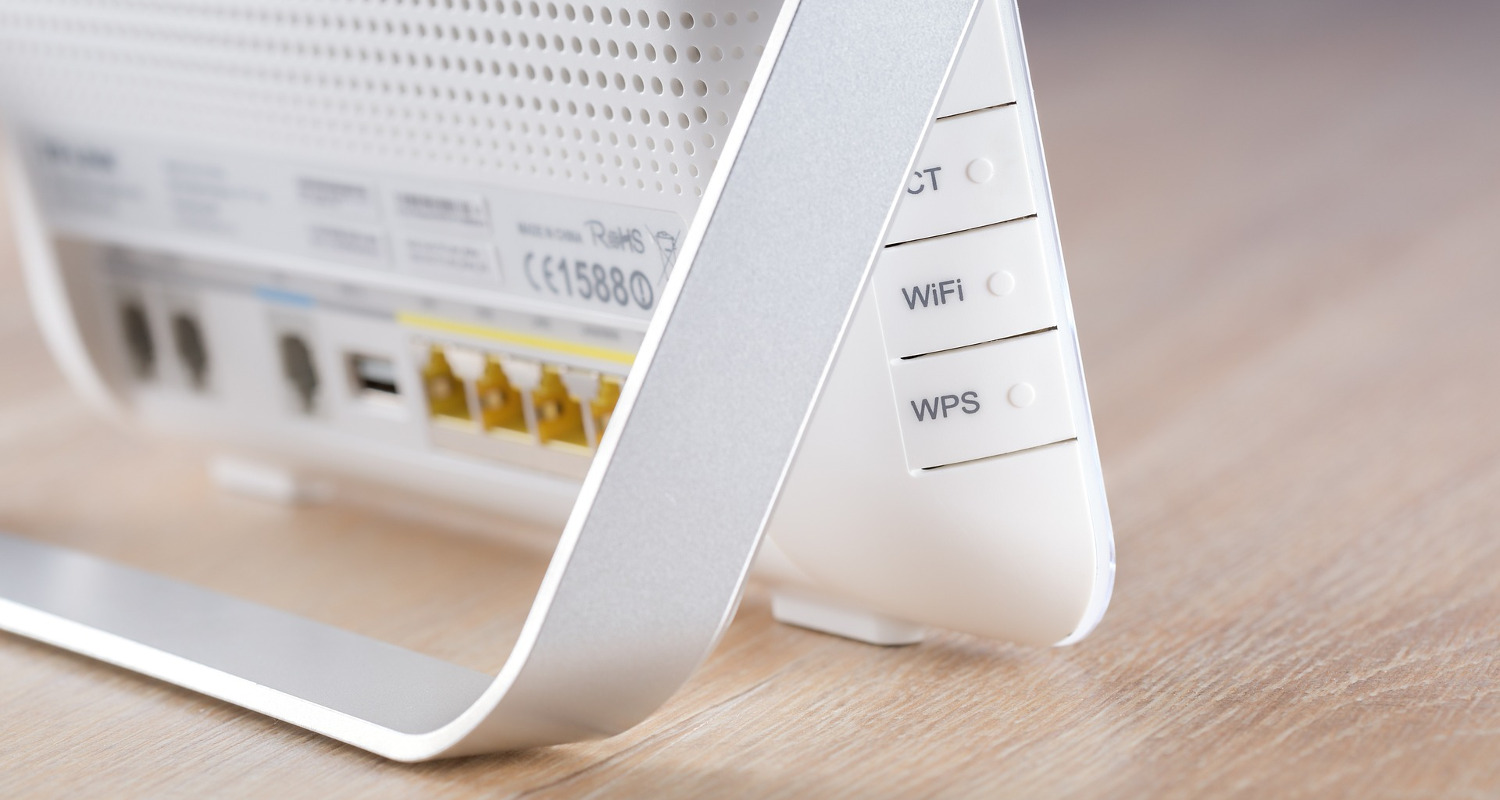

In almost every apartment, a small, frantically blinking plastic box lives out its existence. It’s often tucked away in an inconspicuous corner – for example near the front door, right next to the shoe rack, because that’s also where the phone line is. But what exactly does this small blinking box do? It’s what’s known as a router, and it connects your home to the internet. In most cases, it also provides Wi‑Fi that all smart devices in the household can use. What’s more, the router plays a central role in music streaming. We’ll tell you why.
The router’s tasks in music streaming
One of a router’s main tasks is to establish a connection to the internet. Especially for laptops, PCs and Wi‑Fi speakers, it acts as an access point – in other words, the central hub for connecting to and communicating with the internet.
The router also forms a “data bridge” between the internet and network devices. This includes, for example, the Wi‑Fi speakers of streaming systems. Music streams have to pass through this connection before any audio output can take place at all. If this “data bridge” is very long and/or obstructed by furniture, doors, plants or other obstacles, the connection becomes unstable and music streaming performance suffers. Customer complaints like “The stream keeps cutting out” or “It takes forever before the music starts playing” are therefore often wrongly blamed on the Wi‑Fi speakers. The typical router location near the front door may seem sensible at first glance because of its proximity to the phone line – but unfortunately, it’s often a very poor choice for the Wi‑Fi signal.
 Opens in new tab
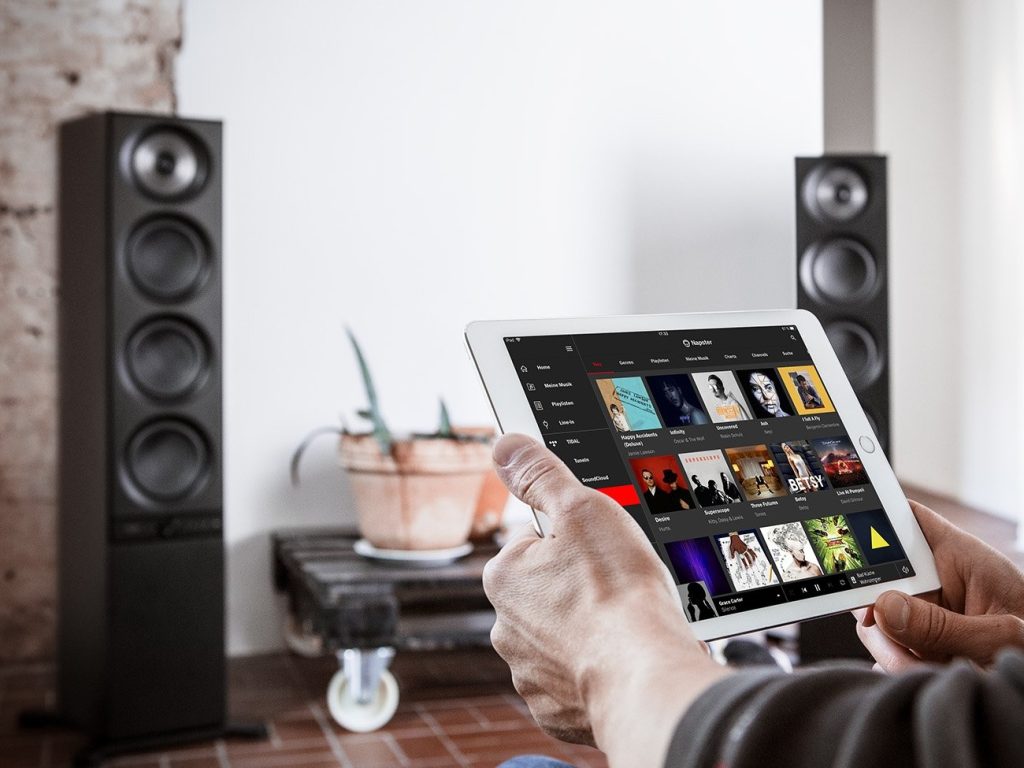
Inside every Teufel streaming device is a self‑contained mini computer that needs a data connection. This connection is not created by the streaming system itself, but by a router. When the Wi‑Fi speakers at home are connected to the router, they form a network that is created, controlled and managed by the router as the “engine of the network”. The router’s data throughput performance has a direct impact on the quality of music streaming. For an optimal streaming experience, the router should therefore be as up to date as possible and not blocked or hidden away.
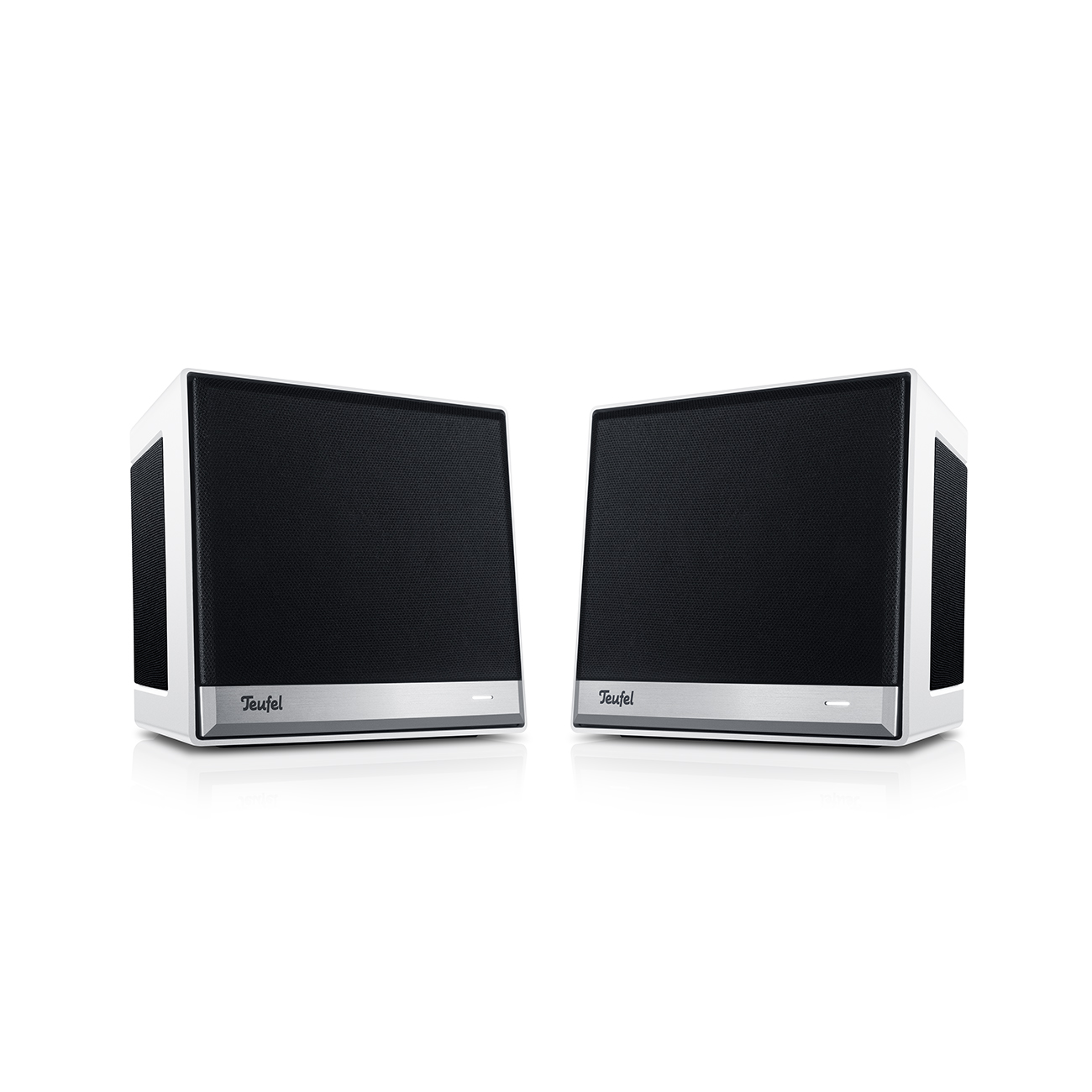
Wi‑Fi speakers from Teufel
These are the key tasks and functions of a router
- A router assigns data packets arriving from an external network to the appropriate device (client) within the home network.
- Conversely, a router also makes it possible to send data to (external) target networks or target devices.
- Digital data is transmitted using various transmission protocols. Routers support different protocols, for example SMTP (email) and HTTPS (WWW).
- Routers with a Wi‑Fi module transmit data packets wirelessly to their intended destination within the network.
The last point in particular is crucial for high‑performance music and video streaming. Music from the internet or from a locally stored collection within the local network is streamed via wireless data transmission to Wi‑Fi‑enabled speakers.
 Opens in new tab
What matters in a router for music streaming?
If you want to send audio streams via Wi‑Fi, you should definitely check your router first. Is it still technically up to date? Or was the little box already in use before music streaming even existed? In that case, it’s better to get a new one. Why? It’s simple:
In recent years, data transfer rates have increased continuously. The respective standard is specified according to the following pattern: 802.11 b/g/n/ac. The b standard is the oldest still in use and allows a maximum speed of 11 Mbit per second. Newer standards are n and ac. Depending on channel width, these achieve transmission speeds of 800 Mbit/s and more. That’s almost a hundred times more data throughput!
Depending on the standard, the frequency bands a router uses also differ. Older standards use 2.4 GHz. n can operate on both 2.4 and 5 GHz. And ac works exclusively at 5 GHz. While you can configure which standard is activated on a router, in practice the automatic setting has usually proven best. The router then selects the best transmission mode depending on the device.
By the way, how to set up a private cloud in your home network is explained in our blog post about the NAS server.
Avoid traffic jams on the wireless highway
Wi‑Fi is normally a very stable wireless technology with comparatively long range. Still, it can happen that streamed music stutters or cuts out. Interference with other Wi‑Fi signals is one possible cause. A clear indication of this is when a data stream drops despite high signal strength. The risk of interference is particularly high in apartment buildings where many networks are available nearby. Connections established via the widely used 2.4‑GHz frequency band are also more susceptible.
In such cases, simply changing the Wi‑Fi channel often helps. In the 2.4‑GHz frequency band, 13 or 14 channels are available. You can select the channel via your router’s user settings. The user interface can easily be accessed in the web browser of your choice. The exact address varies depending on the device and manufacturer. In the user settings (on FRITZ!Box routers under “Wireless environment”), you can see how many routers are using a particular channel.
If the load is concentrated on one channel, switch to another, less heavily used channel. And since adjacent Wi‑Fi channels can also cause interference, try to keep as much distance as possible between your new channel and the old, overloaded one.
Tips for weak Wi‑Fi
As mentioned earlier, common causes of a weak wireless signal include physical obstacles and excessive distance between the playback device and the router. Walls in particular can significantly reduce signal strength. The distance between the playback device or Wi‑Fi speakers and the router should therefore not be too great. For many people, the router is placed directly next to the phone socket. While this means you don’t have to run long cables, if the playback devices are too far away or blocked by obstacles, you may end up with a poor signal. Here are some tips for optimal router placement:
- The router should be placed as centrally as possible in the apartment.
- Doorways are better suited than corners.
- Solid obstacles should not block the line of sight or access to the router in close proximity.
The router provides the infrastructure – Teufel Streaming takes care of the rest
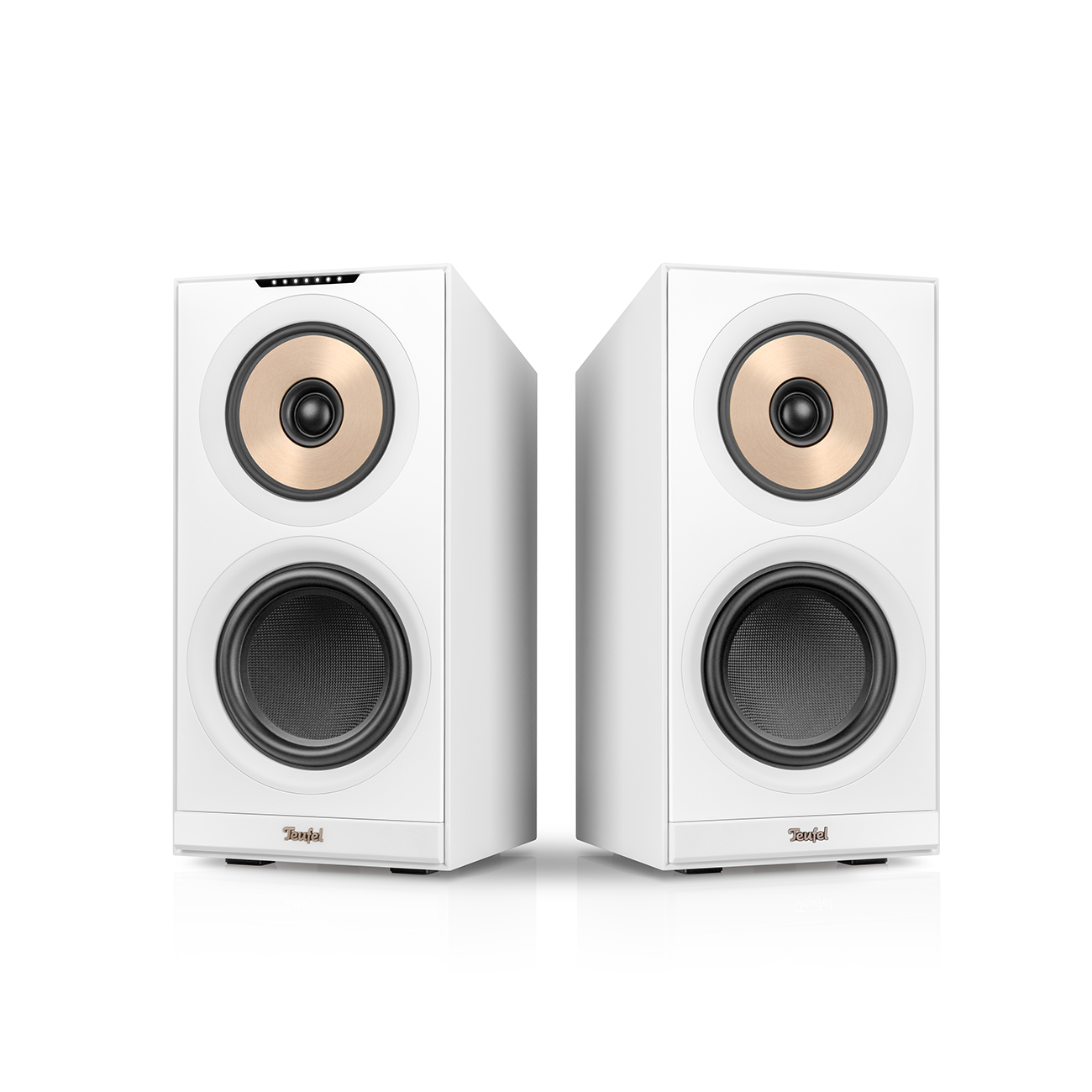
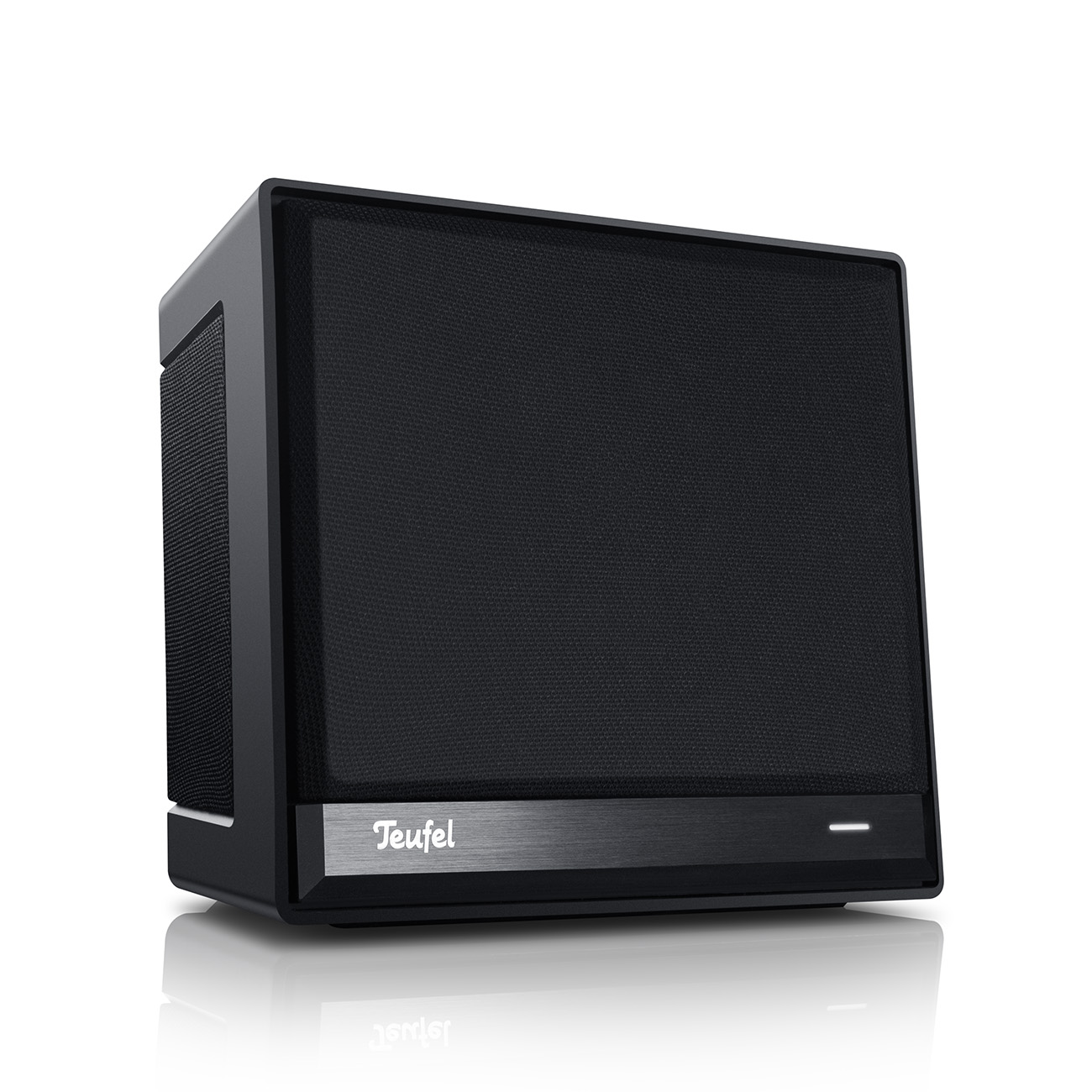
You already have a modern Wi‑Fi router? Perfect. That means you already meet one of the basic requirements for good and convenient audio streaming. In addition, with its Wi‑Fi speakersOpens in new tab and the free Teufel Raumfeld appOpens in new tab, Teufel gives you everything else you need for high‑quality music streaming.
 Opens in new tab
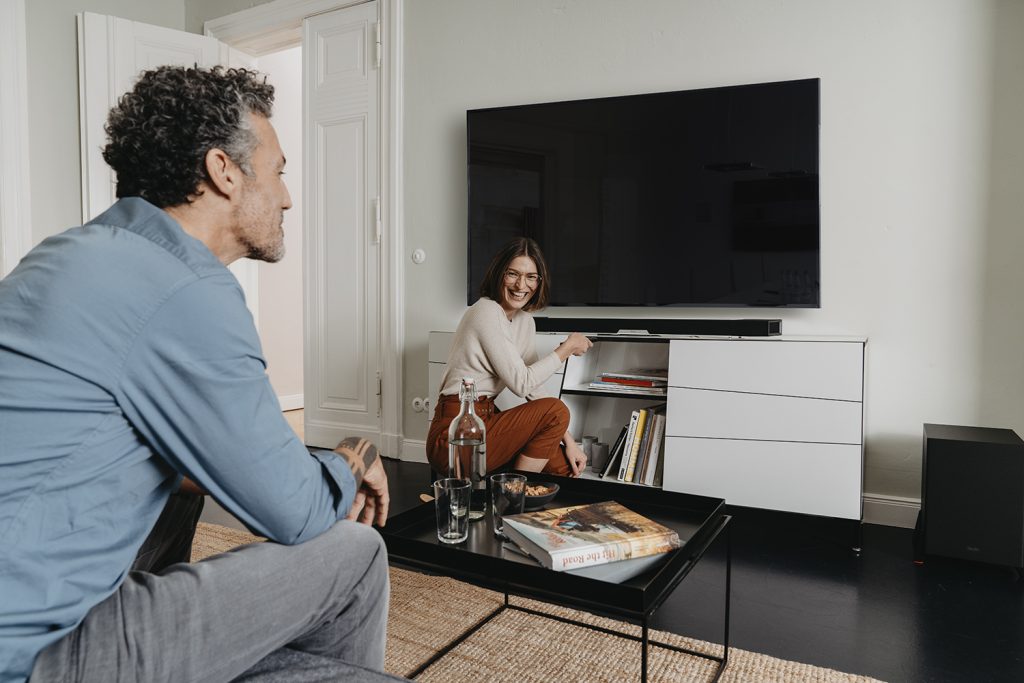
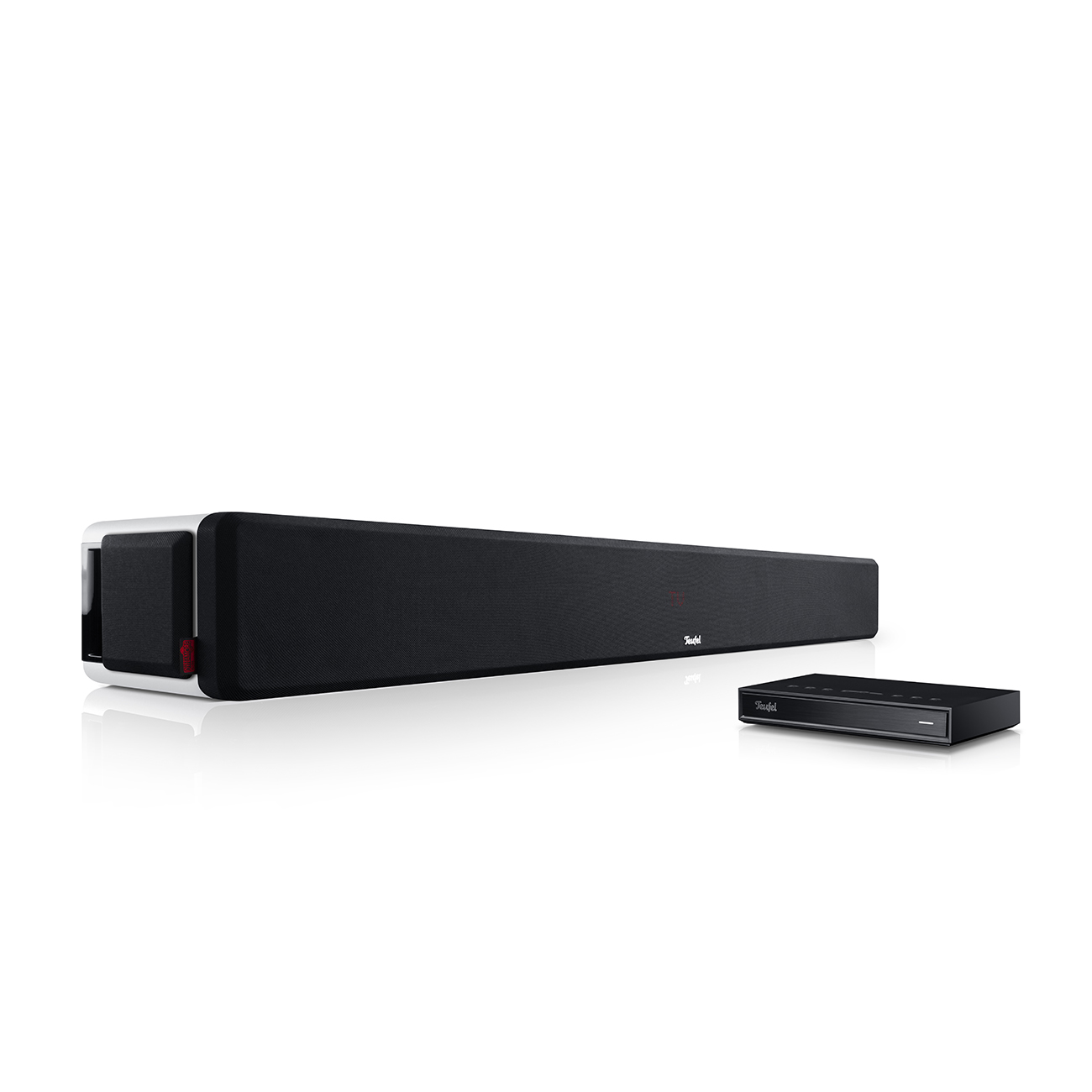
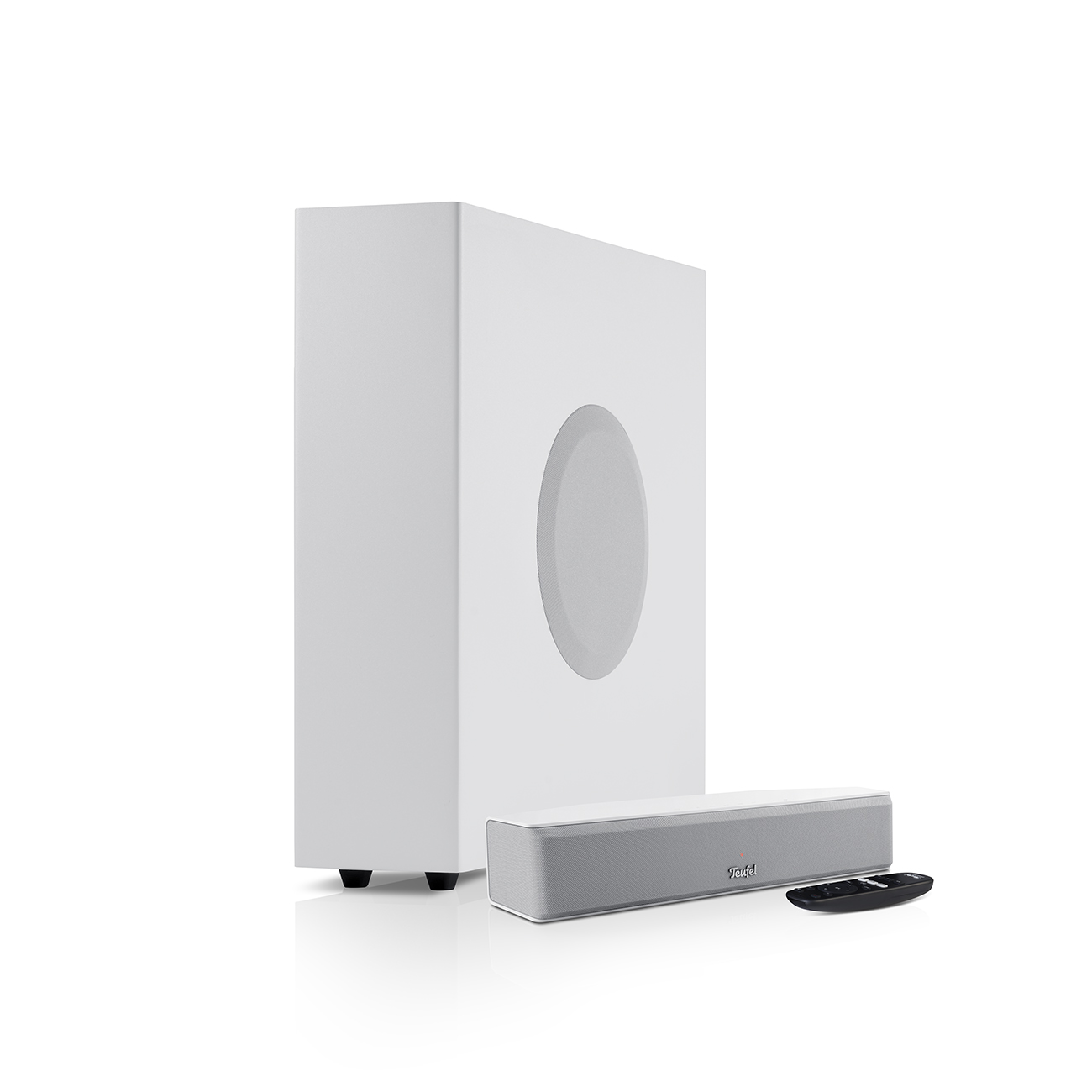
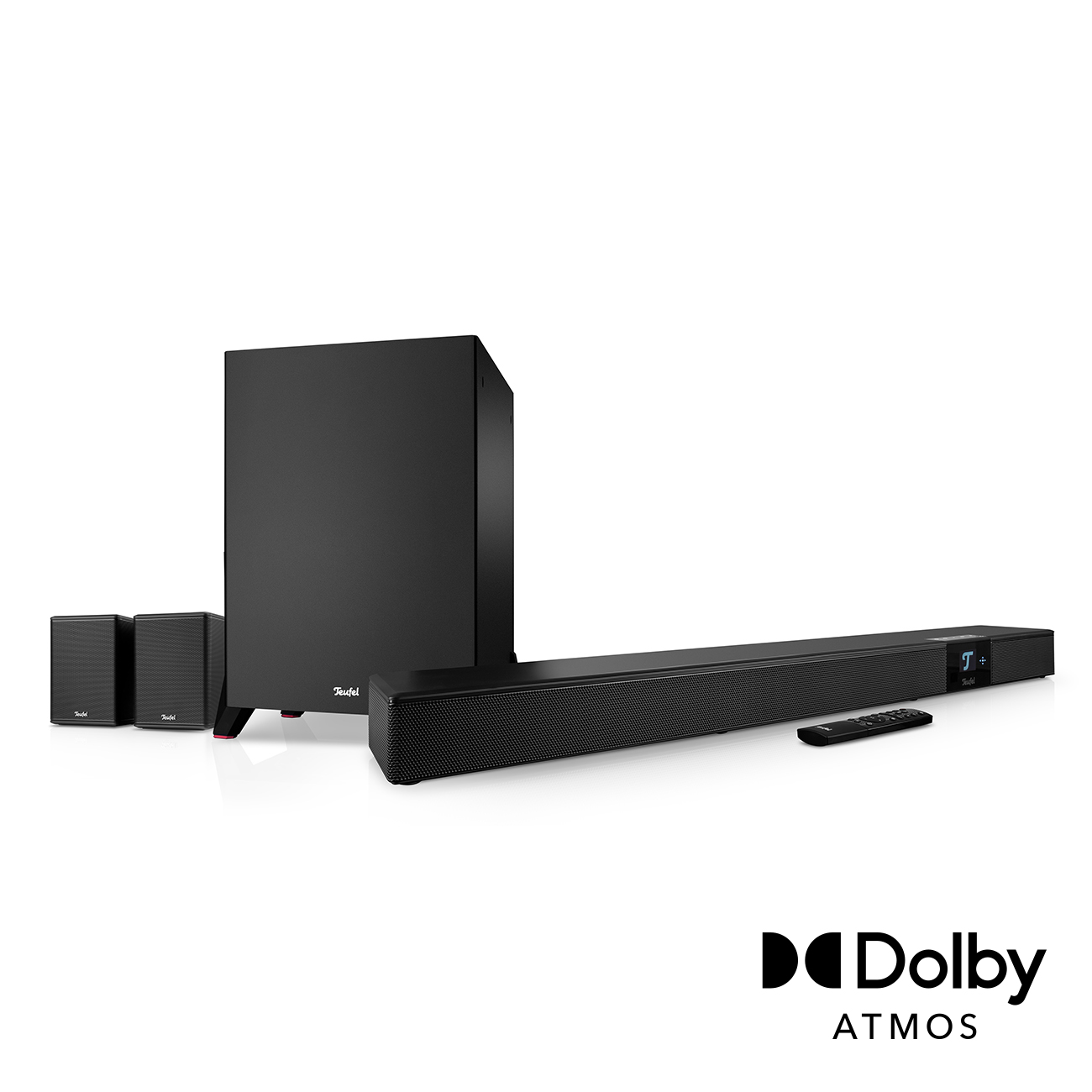
▶ CINEBAR LUXOpens in new tab: This slim, top‑class 3D soundbar offers plenty of streaming options and will also impress you acoustically: 12 high‑performance drivers, the integrated subwoofer and Dynamore®Opens in new tab Ultra deliver immersive 3D home cinema sound. Pure movie audio!
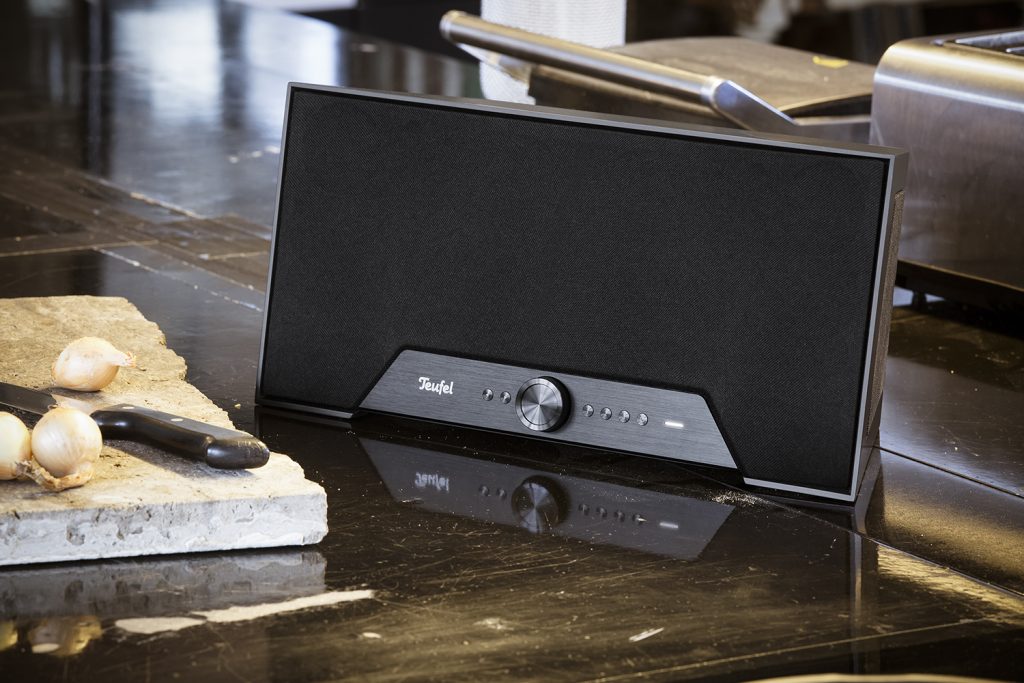
▶ STEREO L 2Opens in new tab: Enjoy versatile music streaming via Wi‑Fi and Bluetooth with outstanding sound thanks to Teufel Raumfeld technology! Stream your music directly from Apple Music, Amazon Music, YouTube and more via a finely tuned 3‑way system. If you like, simply combine the STEREO L with other smart speakersOpens in new tab for lossless multiroom streaming!
The Teufel streaming tip: Do you use more than one Wi‑Fi device? It has proven useful to connect the device used as the host to the router via a LAN cable. You can choose the host device yourself. Otherwise, the first device set up automatically acts as the host.
Soundbars from Teufel
Conclusion: What is a router? A hub for digital data traffic
- Routers coordinate and control data traffic between the home network and the internet as well as within a local network.
- Wi‑Fi routers support the wireless transmission of data.
- The supported Wi‑Fi standard is crucial for transmission speed over Wi‑Fi. To stream music, the router should support 802.11 n.
- Thanks to the abolition of the “router obligation”, every household can choose its own router.
- By changing the Wi‑Fi channel in the router settings, you can improve transmission quality if a channel is overloaded.
Audioblog
The podcast has been automatically generated by AI, but the content comes directly from an article written by our own editorial team. This ensures the quality remains high and allows you to hear our story in a new format.
- Title image: ©andibreit “WLAN‑WIFI‑Netzwerk‑Modem‑Online” Certain rights reservedOpens in new tab. Source: Flickr.com

Leave a Reply