
In this guest article, Dr. Ryne A. Sherman, PhD, Chief Science Officer at Hogan Assessments, examines what truly defines elite quarterback performance when the stakes are highest and the stadium is at its loudest.

Fourth quarter, legacy on the line: inside the mind of a Super Bowl quarterback in the loudest game on earth
On Super Bowl Sunday, performance isn’t shaped by visuals alone. For quarterbacks, the game unfolds in a wall of sound: more than 70,000 fans roaring, coaches relaying instructions via helmet speakers, teammates shouting adjustments as the clock ticks down. In these moments, hearing clearly, and processing information under extreme noise, becomes just as critical as physical skill.
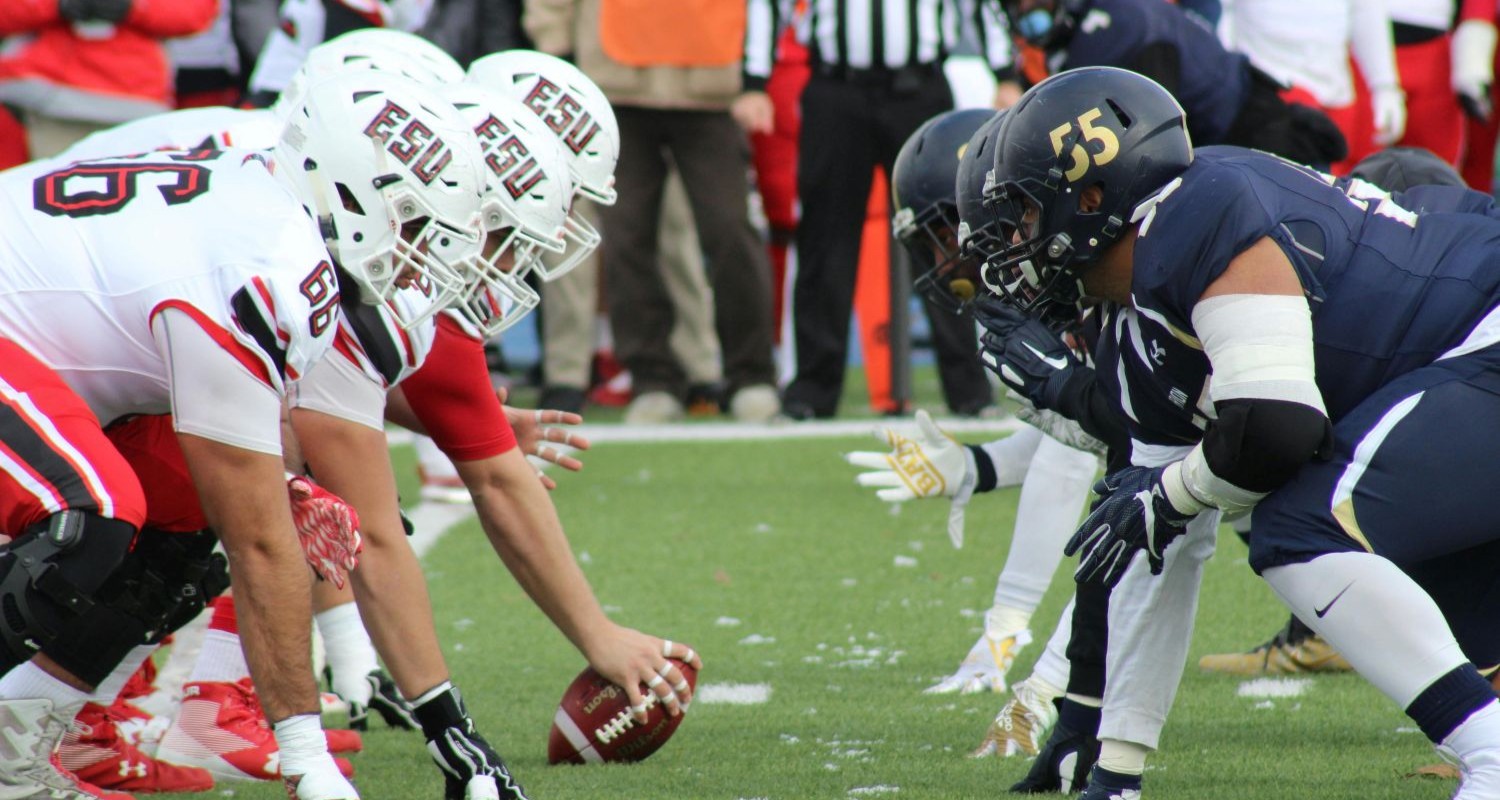
As the NFL season reaches its climax and the Super Bowl approaches, Hogan Assessments, specialists in personality assessment and performance psychology for the workplace, takes a closer look at what consistently defines elite quarterbacks when the pressure is at its loudest. Because at the highest level of sport, the challenge isn’t just what you see, it’s how well you can focus, decide, and lead when surrounded by noise.
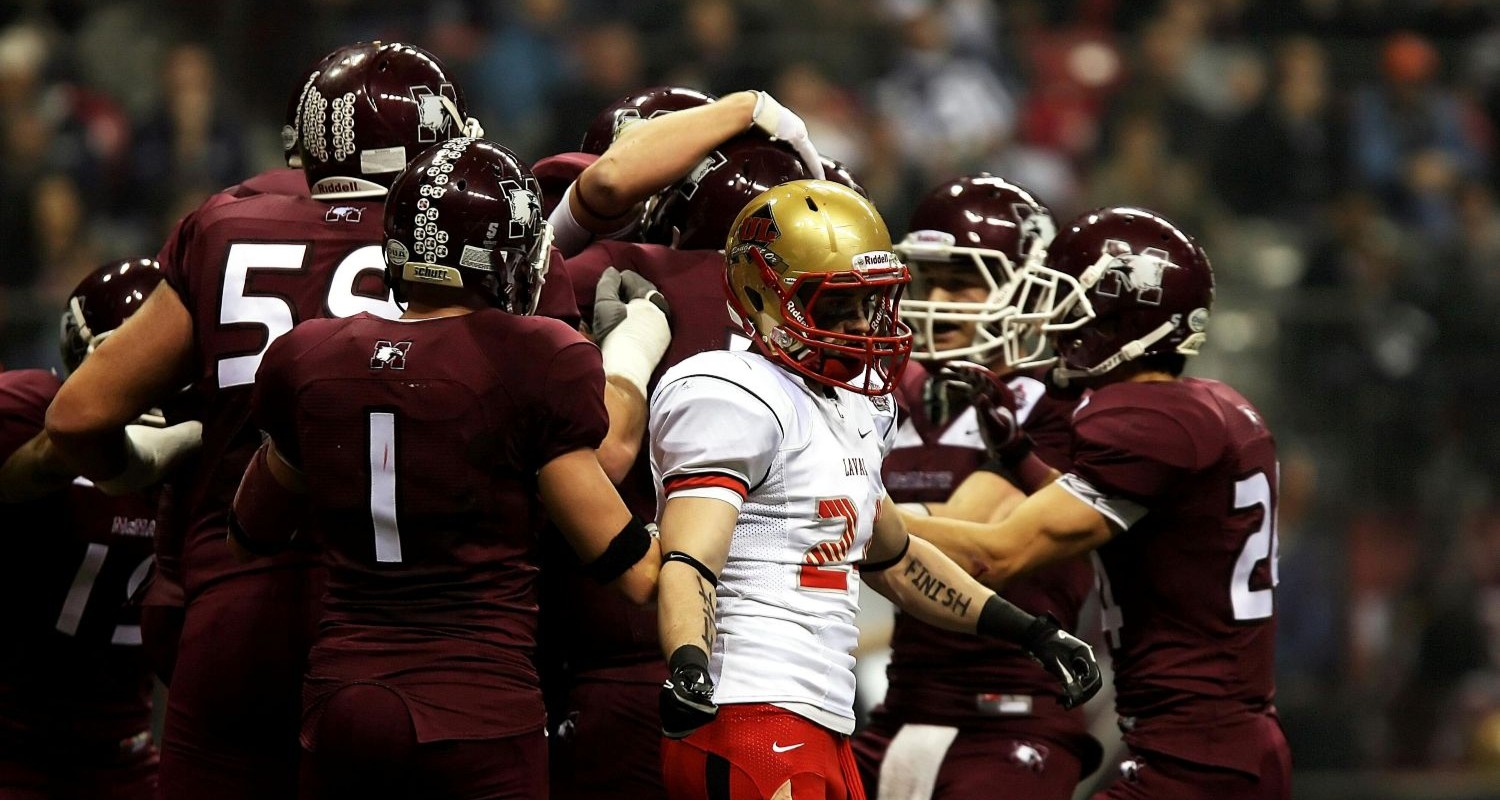
Super Bowls are rarely decided by talent alone. They’re decided in moments of chaos, when a season – or a legacy – teeters on a single drive. Think of Super Bowl LI, when Tom Brady and the Patriots stared down a 28–3 deficit. Or Super Bowl XLIX, when Russell Wilson had seconds to process a defense, a clock, and the weight of expectation at the goal line. Or Super Bowl LVII, when Patrick Mahomes, visibly injured, engineered a second-half comeback.
These are not just football games. They are stress tests of mental toughness, leadership, and composure that play out in one of the loudest environments in professional sport.
While arm strength and athleticism may earn a quarterback a roster spot, history shows it’s mental discipline, focus, and leadership under pressure that win Lombardi Trophies.
Embracing accountability when everything goes wrong
Great Super Bowl quarterbacks don’t hide when momentum swings. They take ownership. Accountability shows up after interceptions, blown coverages, or slow starts. It’s the ability to reset, demand more from yourself, and keep the locker room aligned.
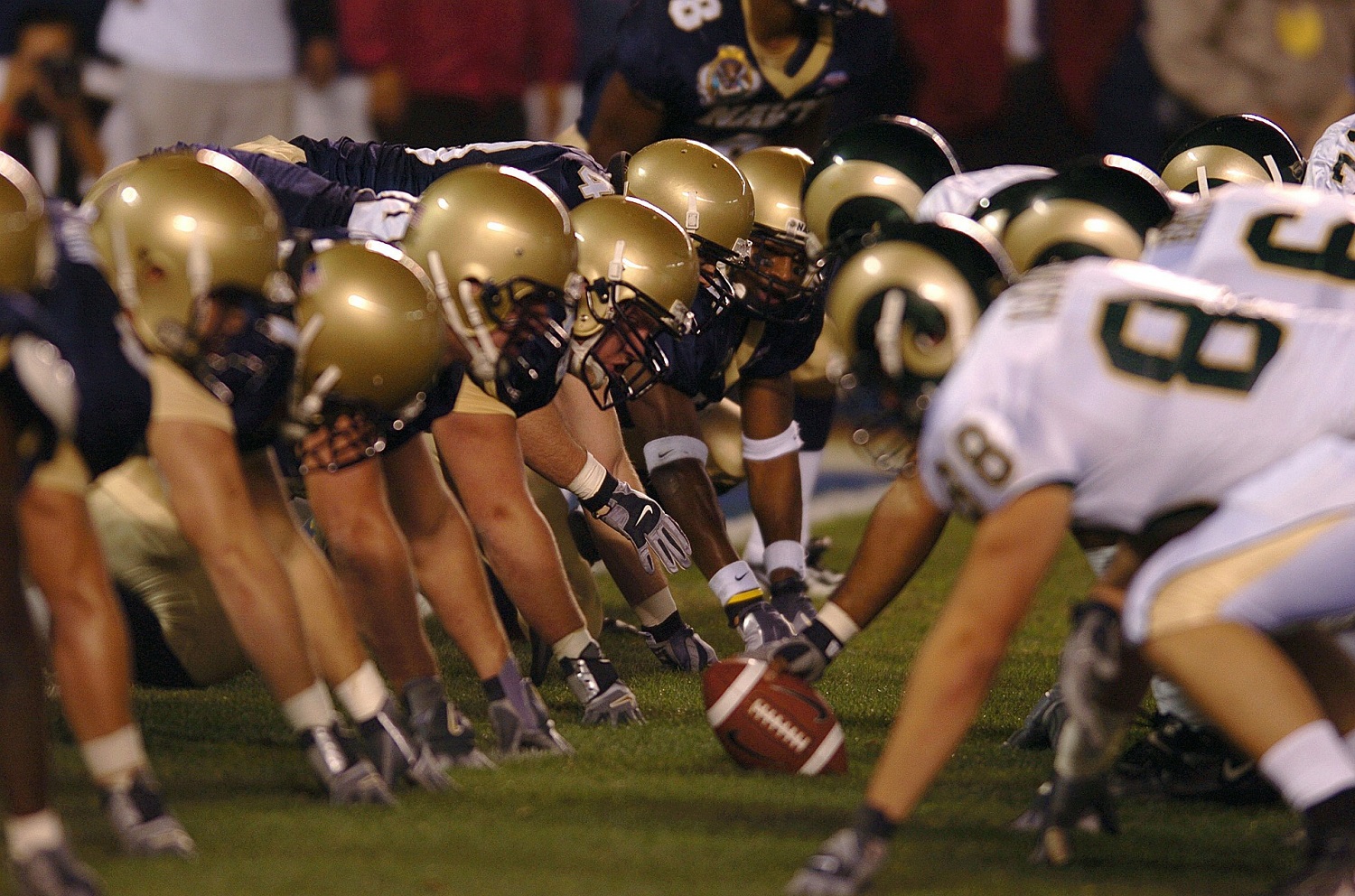
In a stadium where crowd noise can drown out communication and amplify mistakes, this mental reset becomes even more important. Quarterbacks must block out external noise, both literal and emotional, and re-establish clarity in the huddle.
“Look at Brady after early Super Bowl struggles, or Mahomes following a first-half deficit,” said Dr. Ryne Sherman, Chief Science Officer at Hogan Assessments and co-host of The Science of Personality Podcast. “They don’t deflect. They recalibrate, take command of the huddle, and raise the standard in real time.”
That accountability builds trust. And in the Super Bowl, trust is oxygen. Teammates follow quarterbacks who own the moment, not ones who wait for the noise to die down.
Situational awareness and adaptability under extreme pressure
Super Bowls are chess matches played at full speed, and at full volume. Defensive looks change, protection breaks down, and the game plan rarely survives the first quarter intact. Championship quarterbacks excel at reading the field, processing chaos, and adjusting instantly, often while receiving information through integrated helmet speakers amid deafening crowd noise.
“The best examples are second-half comebacks. Think of Mahomes in Super Bowl LIV or Brady in LI. In-game adjustments, altered playcalling, quicker reads. Those games were won by quarterbacks who adapted faster than the moment demanded.”
Elite quarterbacks don’t just prepare plays, they prepare scenarios. Film study, mental rehearsal, and heightened situational awareness allow them to stay composed while everything around them accelerates. In audio terms, they’re able to separate signal from noise. They focus on what matters and filter out what doesn’t.
Resilience and emotional control in legacy-defining moments
No position in sports absorbs pressure like quarterback, especially on Super Bowl Sunday. Mistakes are magnified. Every word, gesture, and reaction is scrutinized. Emotional control becomes as important as arm talent.
In an environment where crowd volume can spike after every play, resilience is about maintaining internal calm despite external intensity.
“Resilience is what allows a quarterback to throw the next pass like the last one didn’t happen. You see it when a quarterback responds to a turnover with a scoring drive or steadies the huddle late in the fourth quarter of a one-score game.”
Dr. Ryne Sherman
Quarterbacks who regulate both their own emotions and those of their teammates create calm inside the storm. That steadiness often becomes the difference between a game-winning drive and a season-ending regret.
A Proven Perspective on Performance Under Pressure
Hogan Assessments has worked closely with NFL organisations for years, helping teams better understand the psychological and leadership dimensions of performance at the highest level. Their work shows that when physical ability is evenly matched, outcomes are shaped by how individuals think, adapt, communicate, and perform under sustained pressure.
Year after year, the biggest games confirm the same truth: championships are decided by accountability, awareness, adaptability, resilience, and leadership. Especially when the noise is at its loudest.
And in the Super Bowl, there is nowhere to hide.
About: Dr. Ryne A. Sherman
Dr. Ryne A. Sherman, PhD,Chief Science Officer – Hogan Assessments
Ryne Sherman is a renowned personality psychologist and leadership expert. As Chief Science Officer at Hogan, he works with top organizations to select the best executives and CEOs by leveraging personality data. Among other things, Ryne has conducted extensive research on the three most common challenges facing teams in organizations today and has developed and tested approaches to overcome them.
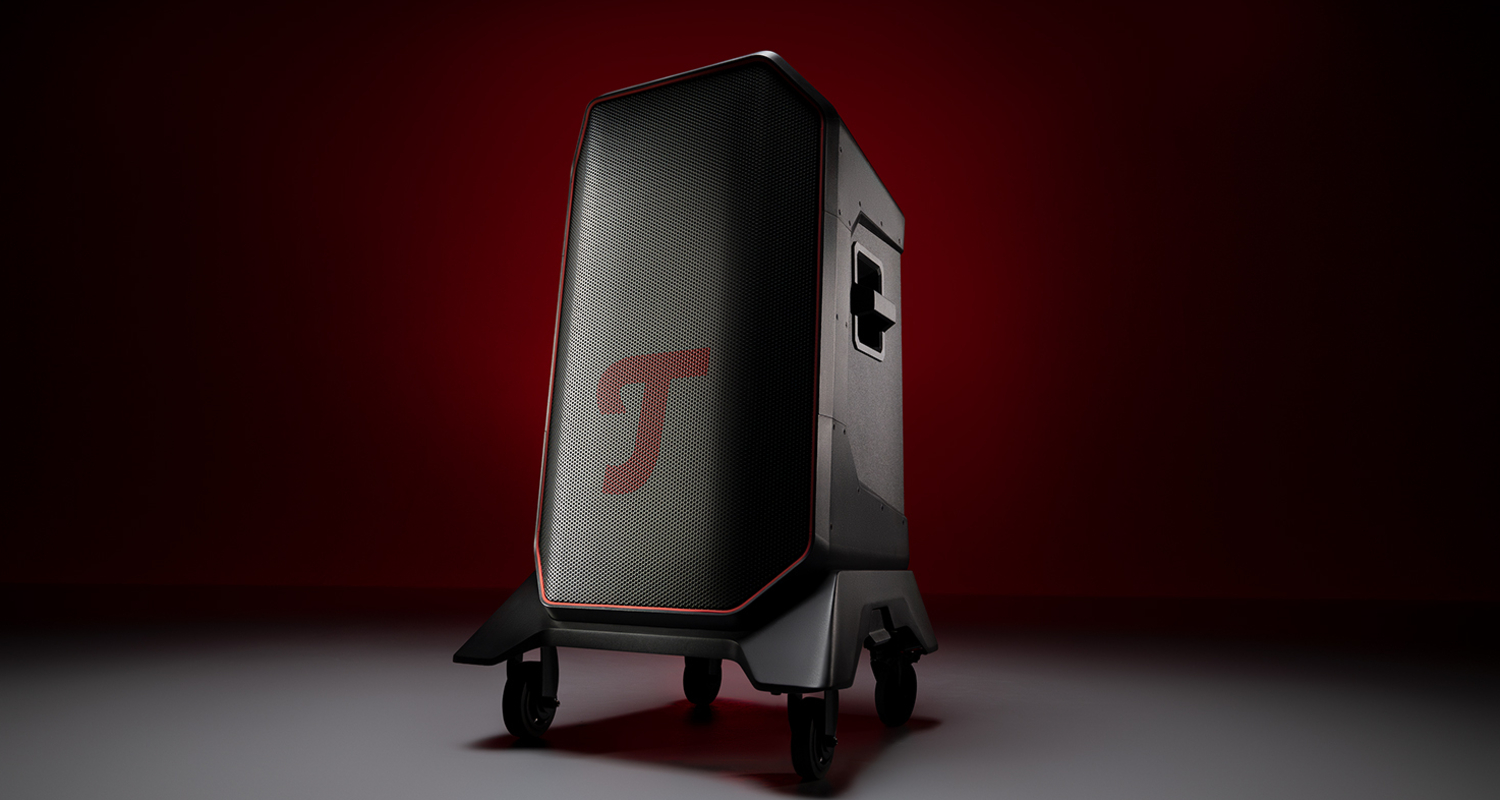
Probably louder than Lumen Field: ROCKSTER 2