
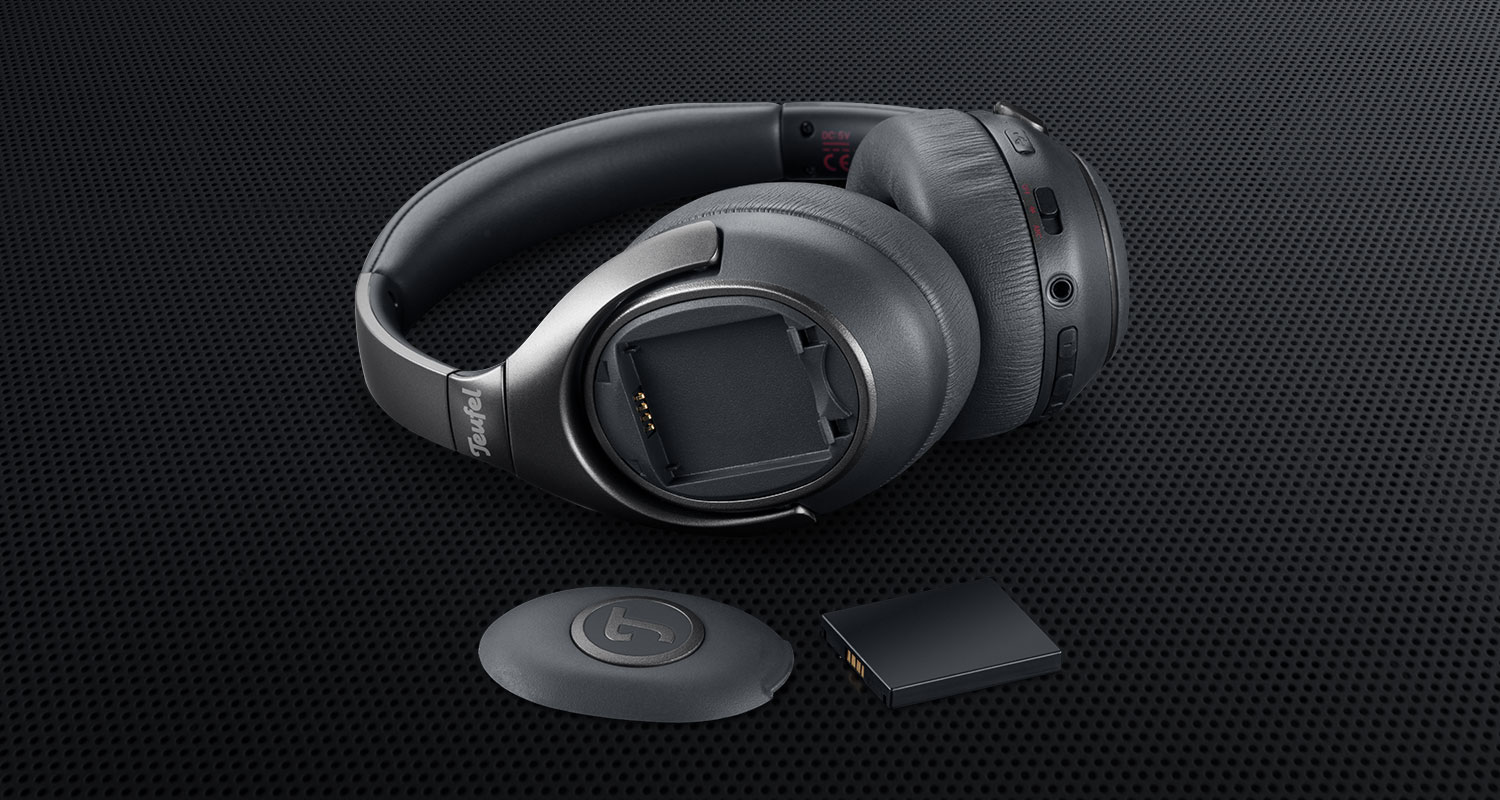

From nickel and lithium-ion to lead-gel batteries, there are many different types of rechargeable batteries, each with its own characteristics. For most users, battery life and charging time are likely to be the most important factors. Today, we’re taking a closer look at the component that makes portable sound possible.
What exactly is a rechargeable battery and what types are there?
An accumulator, or rechargeable battery, is essentially a way of storing electrical energy. It consists of two electrodes and an electrolyte: the positively charged cathode and negatively charged anode are connected by an electrolyte, a conductive liquid inside the battery.
When you charge the battery, electrical energy is converted into chemical energy and stored in it. When the battery powers a device, that stored chemical energy is converted back into electrical energy through the two electrodes. There’s much more to the physics behind this process, but this gives you a good idea of the basic principle. If you’d like to dig deeper, this video uses a lithium-ion battery to explain how an accumulator works:
Four main types of rechargeable batteries are commonly used: nickel-metal hydride, nickel-cadmium (although these are now largely banned), the much more familiar lithium-ion battery, and the related lithium-ion polymer battery. We’ll also take a look at traditional AA batteries and lead-acid batteries.
Nickel-cadmium batteries (NiCd) & nickel-metal hydride batteries (NiMH)
We’ll look first at nickel-cadmium and nickel-metal hydride batteries. Nickel-cadmium (NiCd) batteries have been banned for most uses since 2009 and are now only permitted in certain applications, such as power tools and emergency systems. The main issue is their cadmium content, which makes them less environmentally friendly. They also offer lower capacity and are prone to the memory effect, meaning their usable capacity can decrease over time if they aren’t charged correctly. On the plus side, NiCd batteries are robust, relatively tolerant of temperature changes and can withstand a high number of charge cycles — up to 1,500 in some cases.
Nickel-metal hydride (NiMH) batteries can be thought of as rechargeable versions of conventional disposable batteries, with different sizes available. In the same physical size, an NiMH battery can offer around 50% more capacity than an NiCd battery. Its lifespan is shorter, however, with around 500 to 1,000 charge cycles being typical. NiMH batteries can also develop what is known as the battery inertia effect.
Neither nickel-cadmium (NiCd) nor nickel-metal hydride (NiMH) batteries are used in Teufel products. The only exception is disposable AA batteries in some of our remote controls, although compatible rechargeable AA batteries can also be used.
Teufel indoor Bluetooth speakers
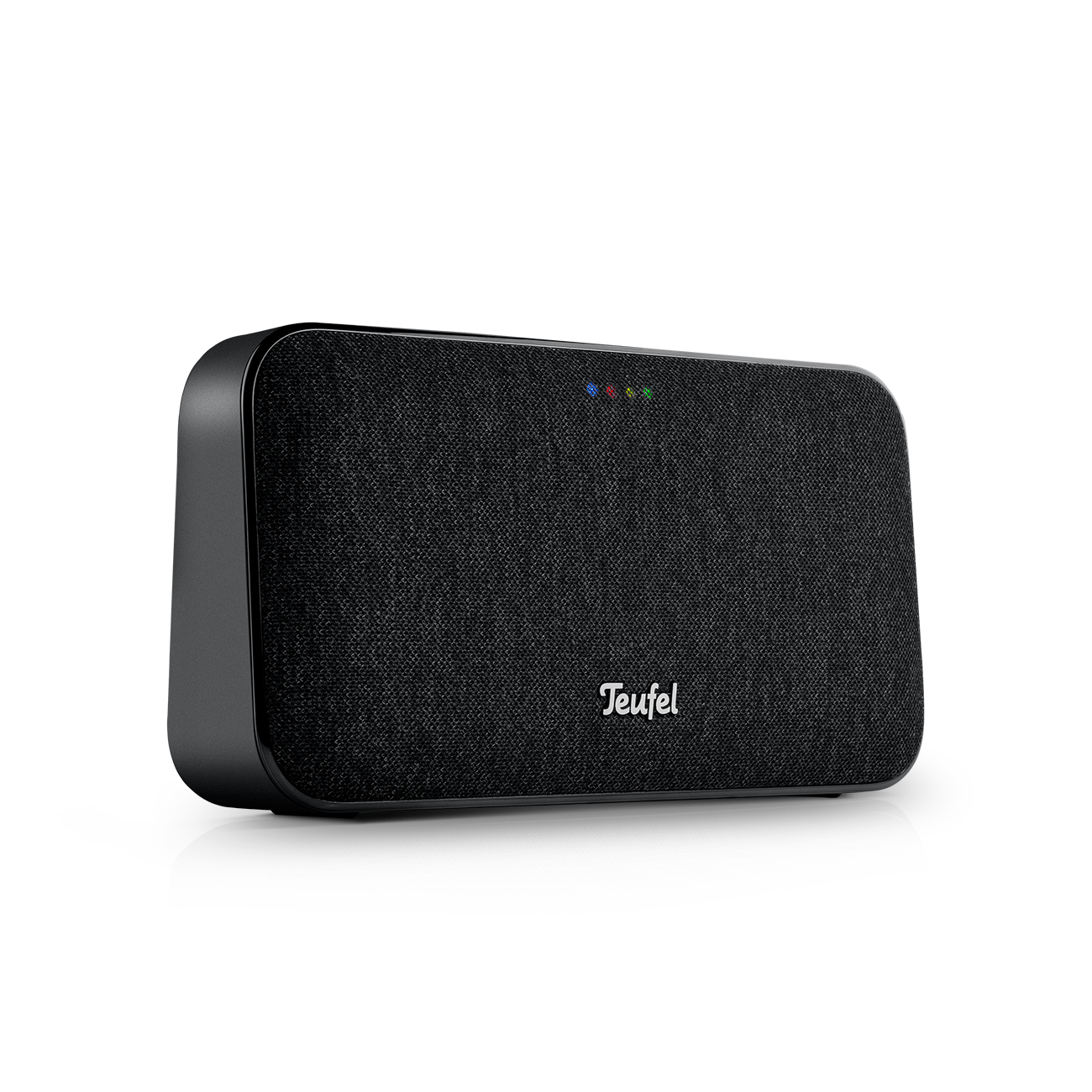
MOTIV® GO VOICE
299,99 €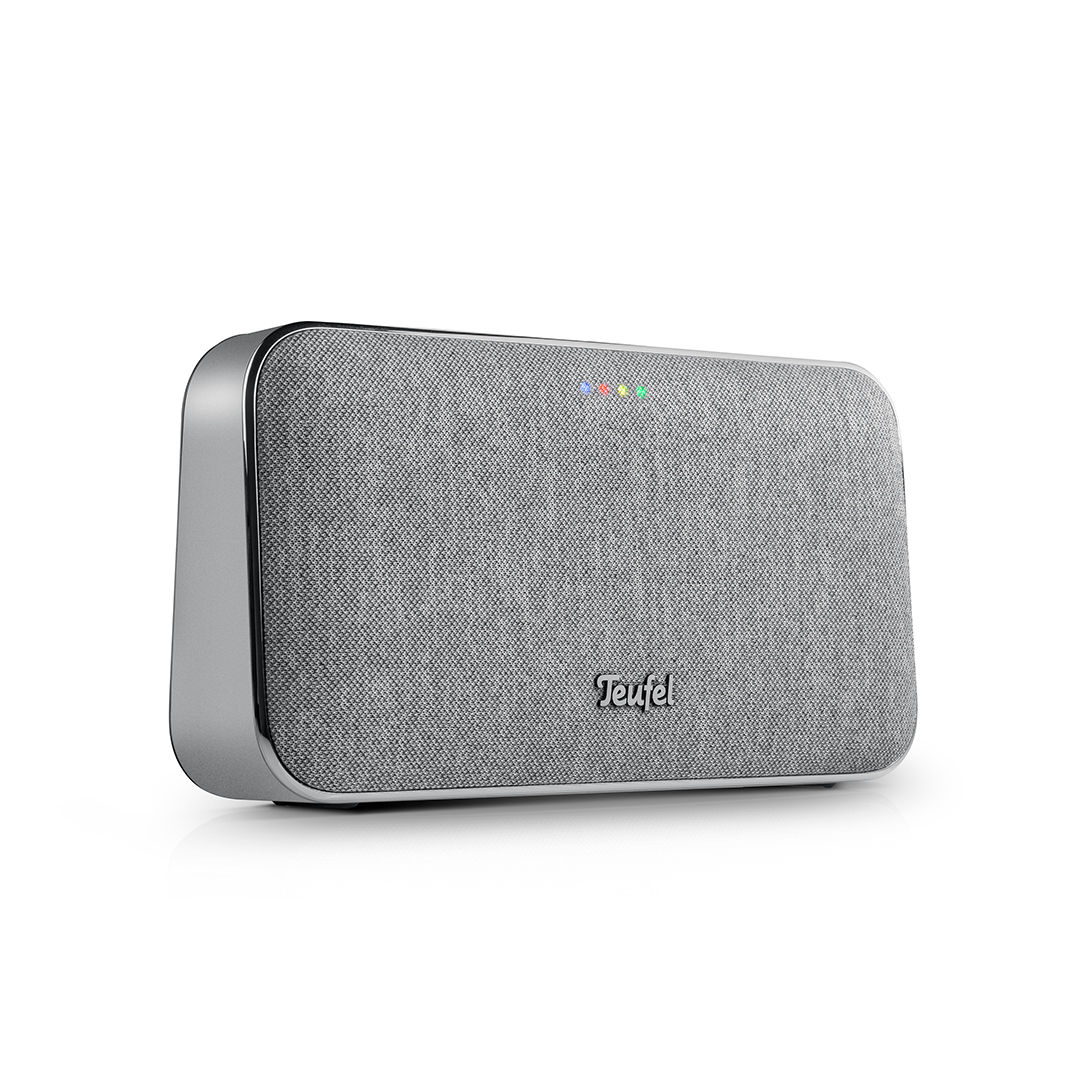
MOTIV® GO VOICE
299,99 €Lithium-ion batteries & other lithium-based battery types
The lithium-ion battery and lithium-ion polymer battery are probably more familiar to you, as they are widely used in modern devices. We use them too, for example in our Bluetooth speakersOpens in new tab and headphonesOpens in new tab. Lithium-ion (Li-ion) batteries are particularly useful when space is limited but a lot of power is needed, such as in laptops, smartphones, slim speakers and headphones. They are most comparable to nickel-metal hydride batteries, as they offer a similar lifespan and capacity. The main differences are their size and the fact that they no longer suffer from the memory effect. So even if your battery indicator shows 45%, you can safely recharge the battery.
However, battery performance can still deteriorate over time, particularly in laptops. Lithium batteries can also run into problems if they are deeply dischargedOpens in new tab or overheat. In the worst-case scenario, overheating can even cause a battery fire.
Did you know? In 2019, the Nobel Prize in Chemistry was awarded to John B. Goodenough, M. Stanley Whittingham and Akira Yoshino for their work on developing lithium-ion batteries. You can find more detailed background on the discoveries made by the three scientists, including infographics, on the official Nobel Prize websiteOpens in new tab.
 Opens in new tab
The lithium-ion polymer battery (Li-ion polymer) is a further development of the standard lithium-ion battery. The key difference is that it can be made into almost any shape, allowing it to fit into even the smallest and thinnest devices, such as ultrabooks and tablets. The trade-off, however, is a significantly shorter lifespan: you can typically recharge a lithium-ion polymer battery around 300 to 600 times, compared with 500 to 1,000 times for lithium-ion and nickel-metal hydride batteries.
Another type of lithium-ion battery is the lithium NMC battery (Li-NMC). It uses lithium nickel manganese cobalt oxides, which increase energy density and provide a good balance of performance, lifespan and manufacturing costs. While Li-NMC batteries have a theoretical lifespan of around 2,000 charge cycles, their capacity decreases relatively quickly. On the other hand, they can be charged efficiently and are relatively lightweight. Combined with their long lifespan, this makes them well suited to electric cars and e-bikes. Compared with lithium iron phosphate (LFP), which is also used in battery production, NMC is less environmentally friendly.
As a general rule, the ideal operating temperature for all lithium-based battery types is between 20 and 25°C. That doesn’t mean you can’t use them below 20°C, though: the so-called battery inertia effect only starts to occur at around freezing point.
The VARTA power bankOpens in new tab available from the Teufel online shop also uses powerful lithium-ion batteries to store its energy.
Other battery types: lead-acid batteries
Finally, let’s look at lead-acid batteries with an AGM (Absorbent Glass Mat) design. There are three different types of lead-acid batteries, but AGM is the one relevant to us here. One of its key advantages is its long service life, while also being maintenance-free. Unlike the other two types, gel and pure lead batteries, AGM batteries contain a protective glass-fiber mat — hence the name — that keeps the electrolyte securely in place and prevents it from leaking, even if the battery is moved or tipped over. This is important because a leaking battery could seriously damage the speaker and, in the worst case, render it unusable. In terms of performance, an AGM battery is comparable to a car battery.
More than just a long-night companion: the ROCKSTER AIR 2
 Opens in new tab
▶ With some outdoor speakers, such as the Teufel ROCKSTER AIR 2Opens in new tab, you can even replace the battery once its performance starts to decline. The battery can be replaced in just seconds, and then the party can carry on. Or the Amazon expedition. Or the round-the-world sailing trip.
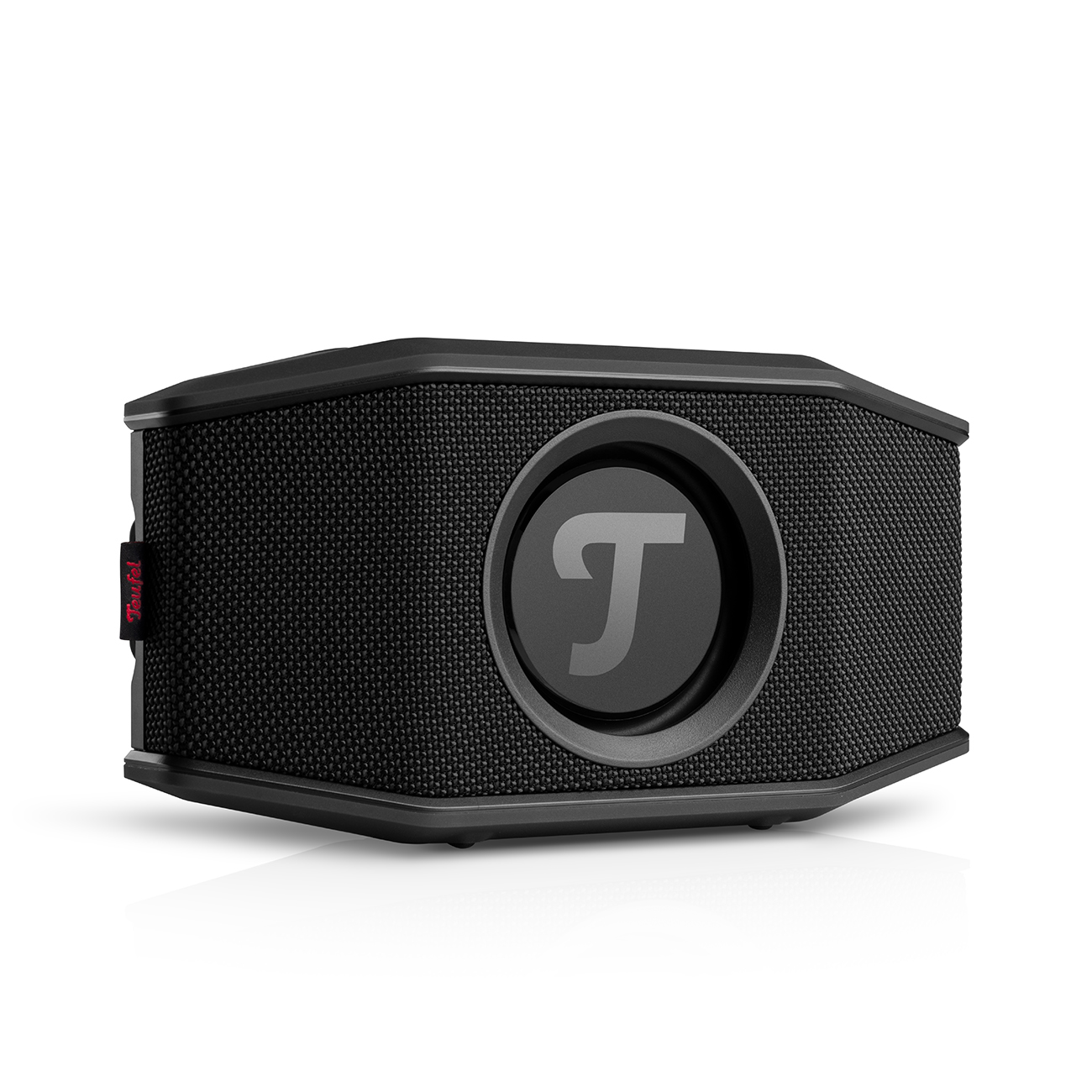
▶ BOOMSTER GO: Compact batteries have made speakers portable, so you can enjoy great sound wherever you go. The BOOMSTER GO is a perfect example. This rugged, IPX7 waterproof speaker fits into any bag and comes in two stylish colours. Teufel sound that fits in your jacket pocket.
Other outdoor speakers from the Teufel shop


Summary: A guide to the different battery types
Here’s a quick overview of the different battery types and the key ways they differ:
- Nickel-cadmium battery: environmentally harmful due to its cadmium content and therefore banned; tends to run out of charge quickly, and incorrect charging can reduce its capacity over time; however, it is robust, relatively temperature-resistant and can be recharged many times
- Nickel-metal hydride battery: a more environmentally friendly alternative to other nickel-based batteries, with a similar appearance to a disposable battery; offers significantly longer use than a cadmium battery, but cannot be recharged as many times
- Lithium-ion battery: a space-saving battery solution with roughly the same capacity and lifespan as a nickel-metal hydride battery; however, it is smaller and lighter and does not suffer from the memory effect caused by incorrect charging
- Lithium-ion polymer battery: a further development of the lithium-ion battery that can be shaped to fit different devices while still offering high capacity; its lifespan is somewhat shorter, however; it also does not suffer from the memory effect
- Lithium NMC & LFP battery: an efficient and powerful type of lithium-ion battery with a relatively long lifespan; mainly used in electric bikes and cars
- AGM battery: a lead-based battery with a protective glass-fiber mat surrounding the electrolyte to prevent leakage; offers a long service life and is maintenance-free, with capacity comparable to a car battery.
- AA battery: a standard disposable battery used in our remote controls
- Rechargeable button cell: rechargeable button cells



Leave a Reply