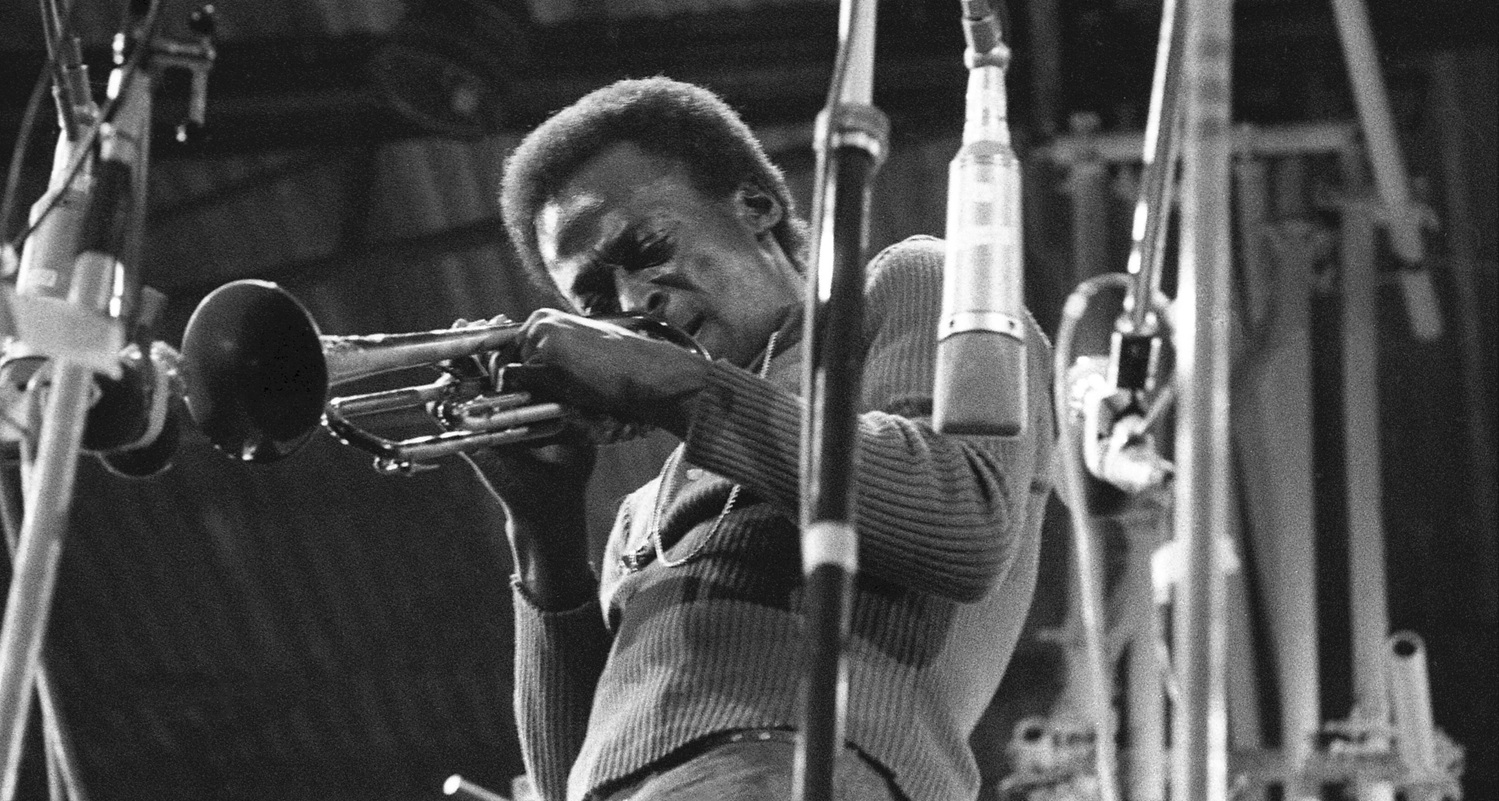

Miles Davis was far more than a brilliant trumpeter. He was a sonic innovator, a musical chameleon, and one of the artists who continually redefined jazz. From bebop and cool jazz to fusion, few musicians pushed the genre forward as often—or as boldly—as he did. To mark what would have been his 100th birthday, we take a look at why his music still sounds so fresh today and which albums every listener should know.
The Signature Sound of Miles Davis
Miles Davis is one of the few musicians who earned legendary status during his lifetime—and fully deserved it. Born on 26 May 1926 in Alton, Illinois, he grew up in East St. Louis. He picked up the trumpet at an early age and went on to master the instrument with exceptional virtuosity, combining technical brilliance with restraint, tension, and an extraordinary depth of emotion.
Few musicians understood the power of doing more with less as well as Miles Davis. Instead of dazzling listeners with endless runs of notes, he focused on precision and expression. Every phrase felt deliberate, every pause meaningful. His music often drew its greatest strength from what he chose not to play, allowing silence to become part of the performance. While many jazz soloists aimed to impress with technical complexity, Davis created tension by giving each note room to breathe.
Another defining element of Davis’s sound was his sensitivity to tone and texture. He famously used a Harmon mute, an attachment for the trumpet that gave his playing a more focused, nasal character while adding a remarkable sense of intimacy. On tracks such as “Blue in Green”, the trumpet seems almost detached from the physical instrument itself—less like a bold statement and more like a quiet thought gradually taking shape.
From Bebop to Cool Jazz: The Evolution of Miles Davis’s Sound
When Miles Davis moved to New York in 1944, his original plan was to study music at the prestigious Juilliard School. During the day, he focused on harmony, theory, and classical trumpet technique. But at night, he was drawn to the clubs of 52nd Street, where the music followed no academic rules. Instead, the streets were alive with the most exciting new movement in jazz: bebop—fast, complex, restless, and technically demanding. Davis looked up to musicians such as Dizzy Gillespie, Thelonious Monk, and above all, Charlie Parker.
Before long, Davis was sharing the stage with Parker, one of the pioneers of modern jazz, almost every night. Parker would throw out musical ideas, and Davis would respond—quickly, precisely, and with remarkable intensity. It was in these performances that his own voice began to emerge: defined by clear lines, expressive phrasing, and an increasing sense of harmonic freedom. Together, they helped bring bebop into New York’s clubs, a movement that had recently replaced the large swing-era orchestras with smaller, more agile ensembles.
But Davis soon began to follow his own path. He took the energy of bebop and reshaped it into something more restrained and spacious. The music became slower, more open, and more carefully arranged. Instead of focusing on dazzling displays of virtuosity, Davis shifted attention toward tone, interplay between instruments, and atmosphere. The intense energy of the clubs evolved into something more refined and elegant: cool jazz.
For Miles Davis, this new sense of cool never meant a lack of emotion. The tension came from control and restraint. While bebop often felt restless and full of urgency, Davis’s playing was focused, deliberate, and quietly powerful. His music sounded confident without needing to prove itself—relaxed, but never careless. With this approach, Davis became one of the defining figures of modern jazz.
No discussion of Miles Davis is complete without Kind of Blue. The album is widely regarded as the most important and influential jazz record ever made, and many consider it one of the greatest albums of all time. Tracks such as “So What”, “Freddie Freeloader”, and “Blue in Green” move away from dense harmonies and complicated chord progressions. Instead, they are built around modal scales—musical frameworks that give the performers more freedom for melodic exploration. The result is a sound that feels relaxed and almost weightless, while remaining remarkably focused.
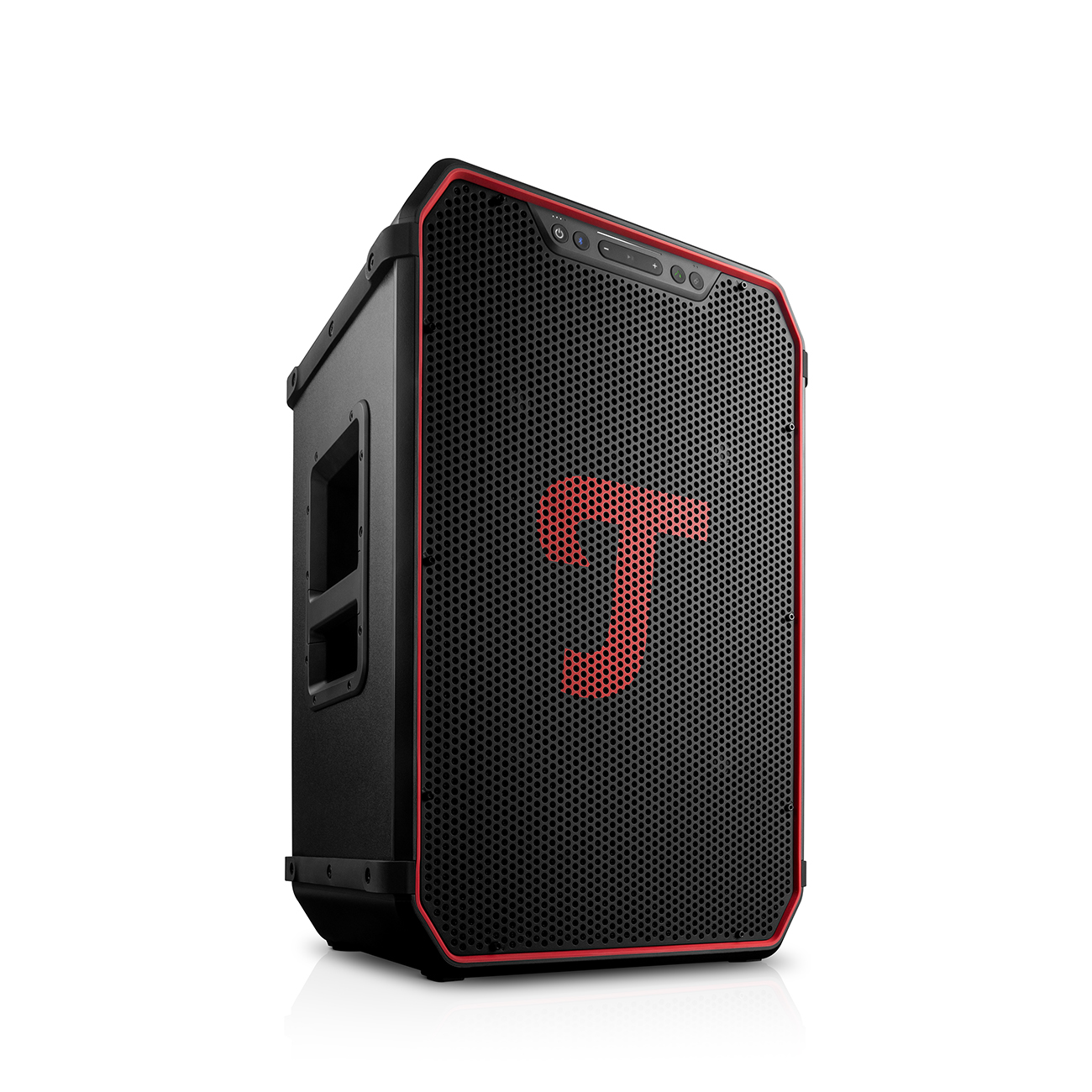
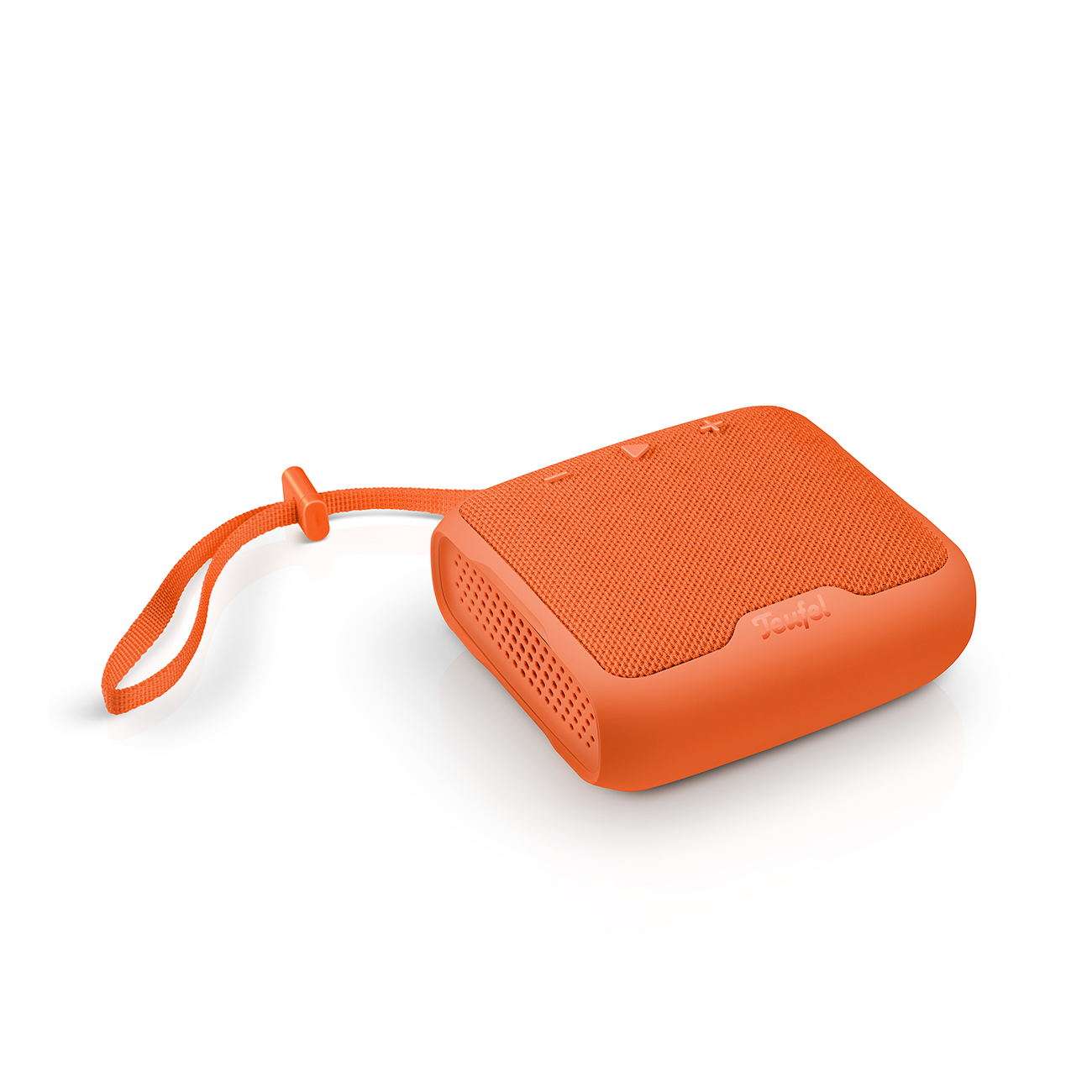
Bluetooth Speakers from Teufel

Miles Davis’s Legacy Beyond Jazz
Miles Davis had style, attitude, presence—and a remarkable understanding of how pop culture works. His album covers already told that story: elegant suits, a focused gaze, his trumpet resting in his lap. Later came sunglasses, leather, bold colours, and eye-catching stage outfits.
On stage, Davis could appear distant and almost untouchable. He sometimes played with his back to the audience, hid behind his sunglasses, or let his band carry the performance for extended stretches without him. Many interpreted this as arrogance—and at times, perhaps it was. But musically, that distance served a purpose: it shifted attention away from the star himself and toward the interaction between the musicians on stage.
By the 1980s, Davis had fully become a pop culture figure. He covered contemporary songs, appeared on talk shows, and even made a guest appearance on Miami Vice. For some jazz purists, his closeness to mainstream culture was difficult to accept. Davis, however, did not seem concerned. After all, why would an artist who had already reinvented jazz several times suddenly stop at artificial boundaries?
Davis had already shown a decade earlier, during his electric period, that he was never afraid to cross musical boundaries. When elements of rock, the funky Stratocaster sound of his friend Jimi Hendrix, and new studio techniques entered his music, many listeners initially saw it as a radical departure—similar to the reaction Bob Dylan faced when he moved away from traditional folk. Today, that evolution feels almost inevitable. Albums such as Bitches Brew, On the Corner, and In a Silent Way helped create new possibilities that later shaped genres including fusion, hip-hop, electronic music, and experimental pop.
His role as a bandleader is another essential part of his legacy. Many musicians who played alongside him would go on to become influential figures in their own right, including John Coltrane, Herbie Hancock, Wayne Shorter, Tony Williams, Chick Corea, and Joe Zawinul. Being part of a Miles Davis band was often demanding, pushing musicians to their limits. But it could also serve as a launchpad for greatness: those who succeeded in that environment usually left with the ideas and experience needed to write their own chapters in music history.
Speakers and Headphones for the Ultimate Miles Davis Experience
Miles Davis’s music sounds at its best when your setup preserves the details instead of smoothing them away. His recordings rely on space, dynamics, and control: the trumpet should feel present without becoming harsh. The double bass should have weight without turning boomy. Cymbals, piano, and saxophone all need room to breathe so that the subtle interplay between the instruments remains clear.
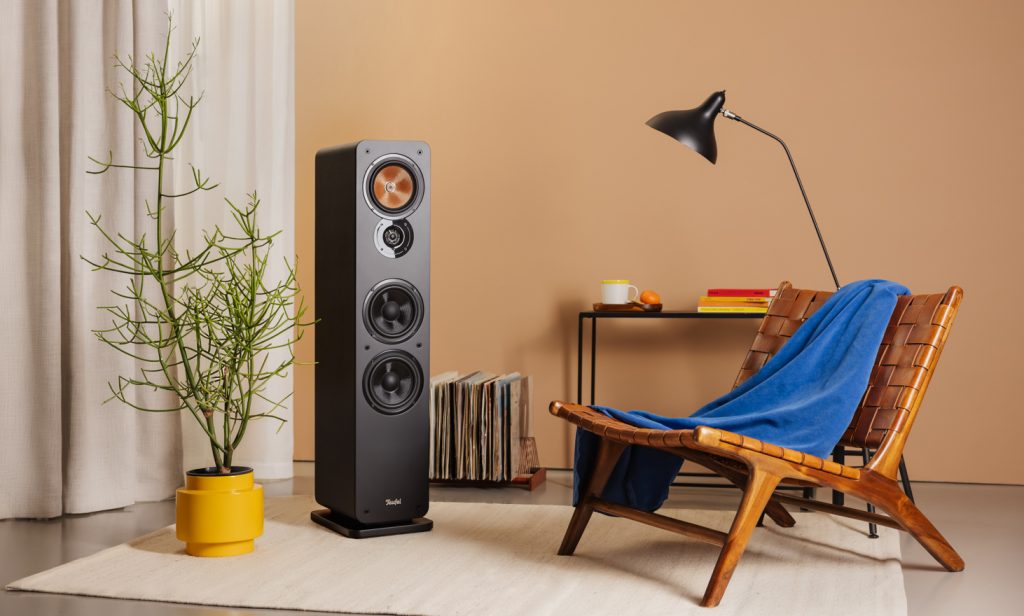
▶ ULTIMA 40Opens in new tab: For albums such as Kind of Blue or Sketches of Spain, a high-quality stereo setup is the ideal choice. Our legendary speakers bring depth, scale, and fine detail to your living room—perfect when you want jazz to take centre stage rather than fade into the background.
▶ REAL BLUE NC 3Opens in new tab: If you want to fully immerse yourself in Miles Davis’s music, over-ear headphonesOpens in new tab with noise cancelling are an excellent choice. Quiet passages, subtle breathing sounds, and delicate room details become easier to appreciate when outside noise is kept at bay.
▶ DEFINION 3Opens in new tab: For the finest details in jazz and classical recordings, the DEFINION 3 is an excellent choice. Its patented SCA coaxial chassisOpens in new tab delivers exceptional spatial accuracy, allowing you to experience subtle nuances, clear instrument separation, and the full dynamics of complex performances.
Teufel Stereo Systems
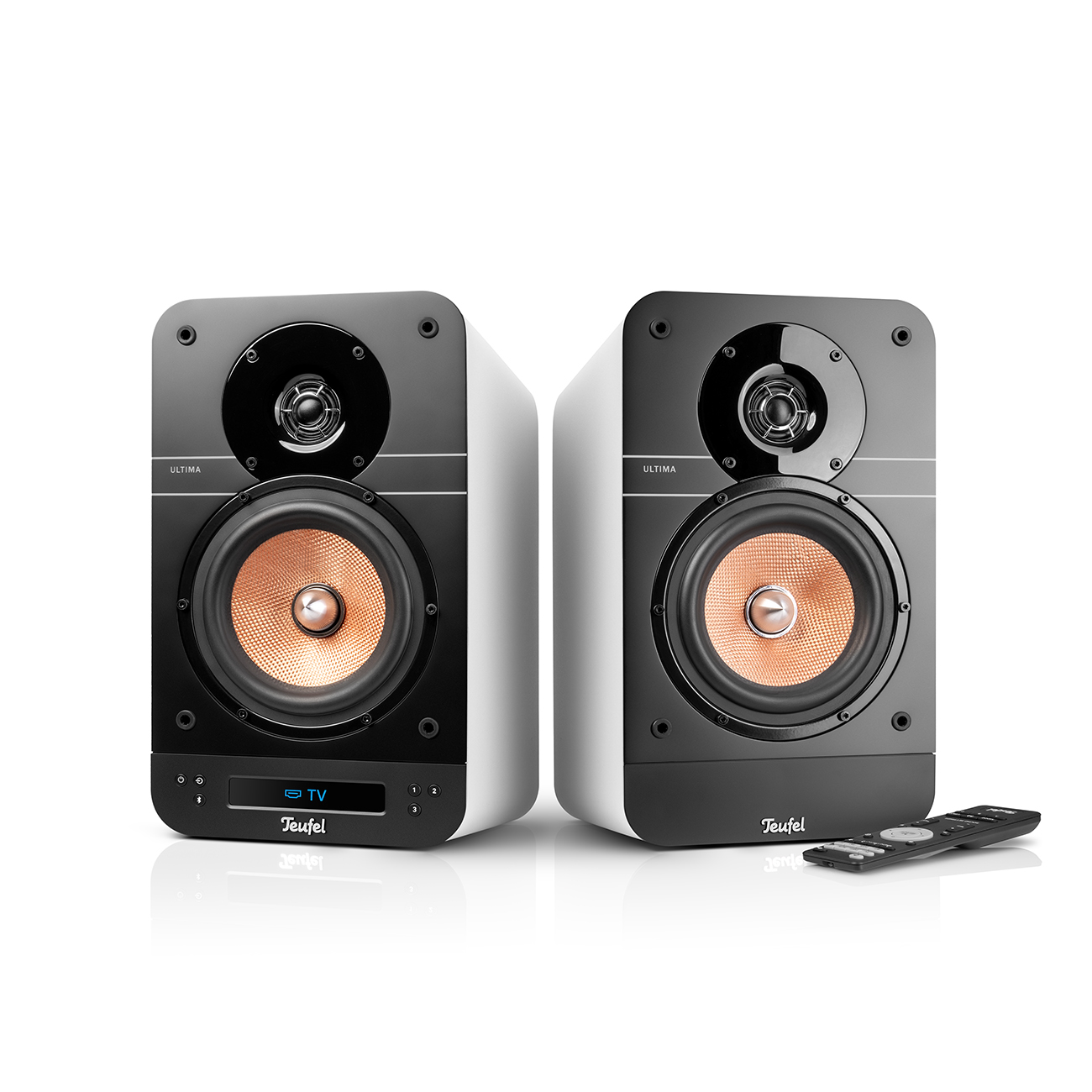
ULTIMA 25 ACTIVE
499,99 €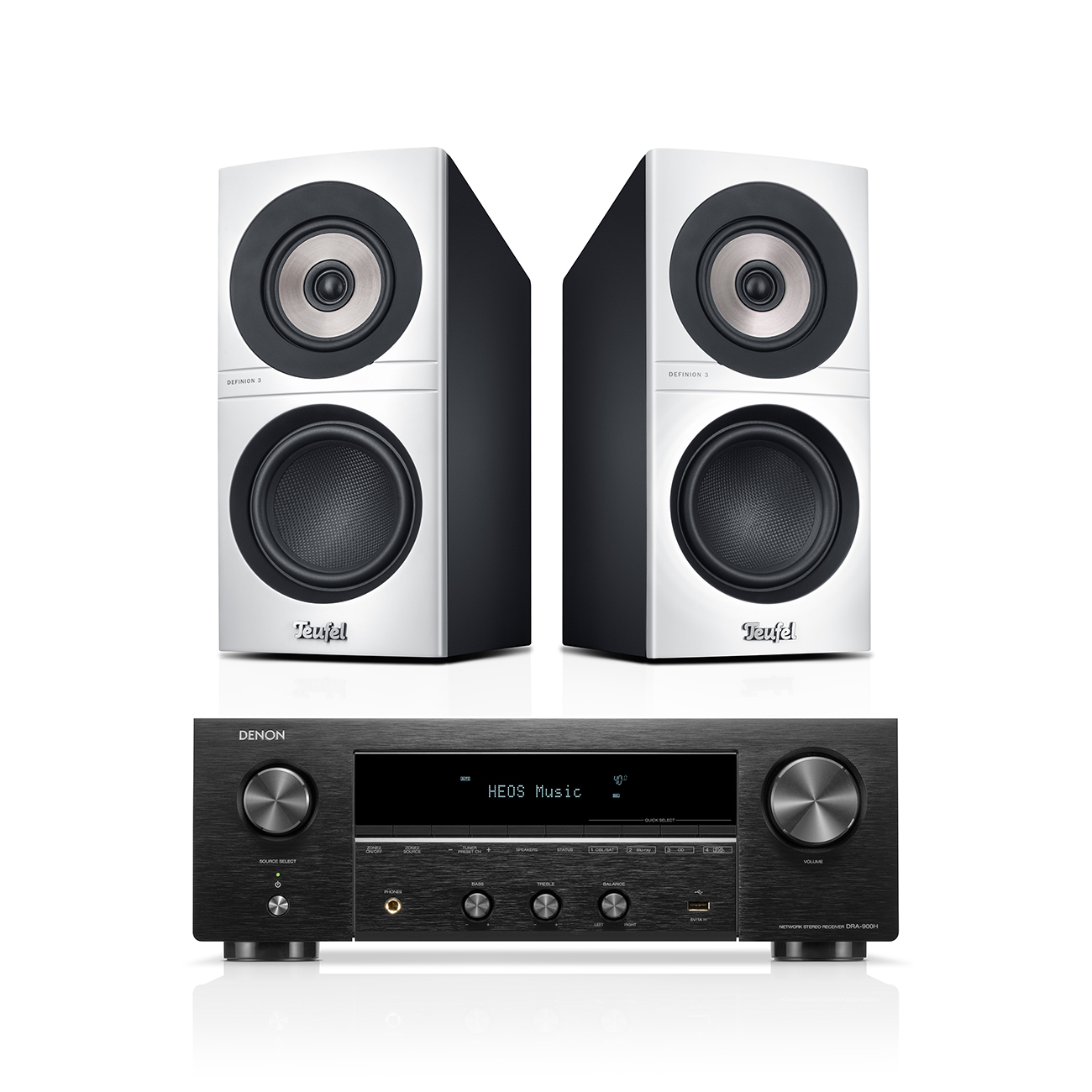
DEFINION 3S + DENON DRA-900H
1499,99 €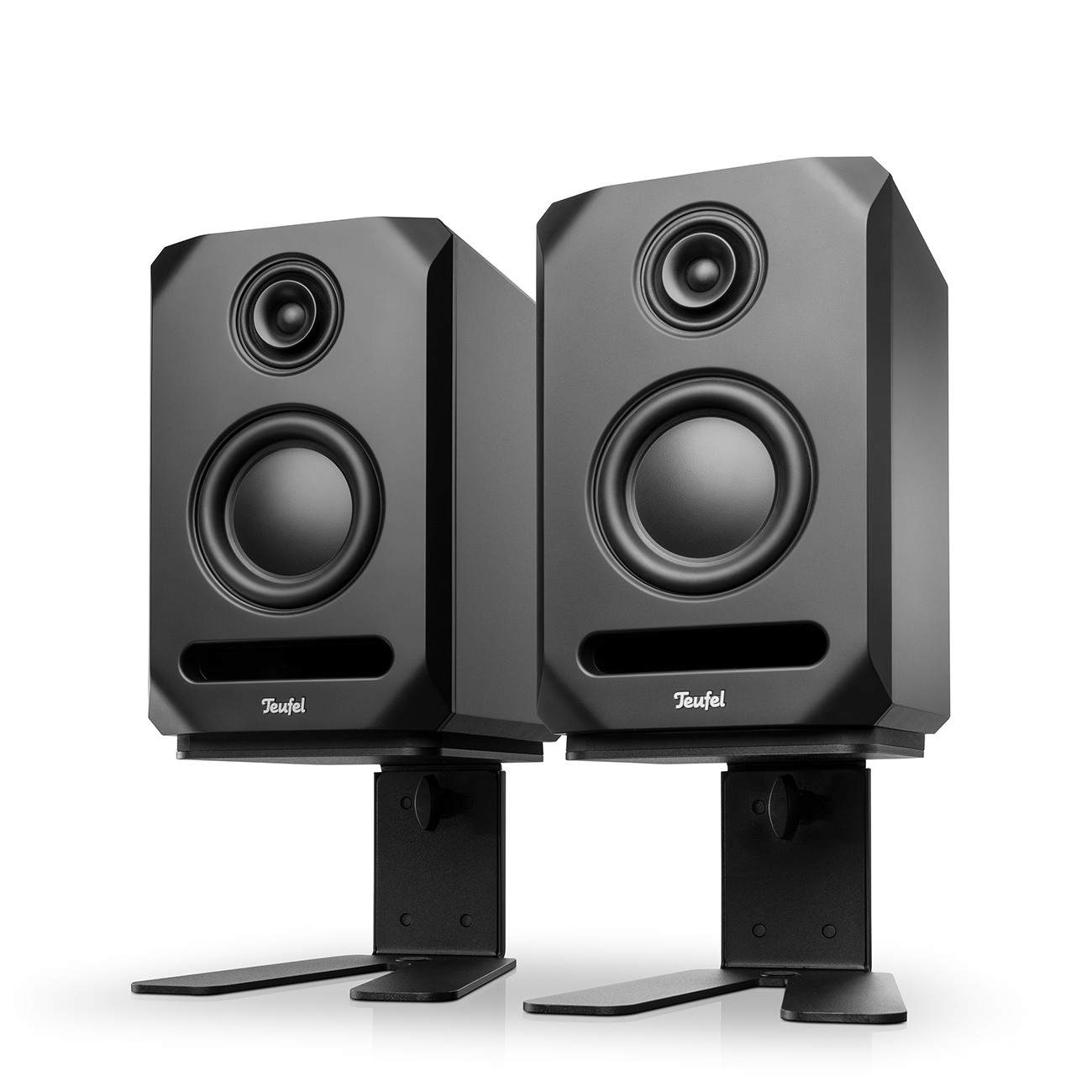
STUDIO 5X + table monitor stand K&M for STUDIO 5X
609,99 €Conclusion: Why Miles Davis Still Sounds Modern Today
- From bebop and cool jazz to modal jazz and electric fusion, Miles Davis shaped the evolution of jazz through constant reinvention.
- His trumpet playing is defined by restraint: few notes, but plenty of space for each one to unfold.
- The most famous Miles Davis tracks include “So What”, “Blue in Green”, “All Blues”, “Milestones”, “’Round Midnight”, and “Tutu”.
Did you know? Despite his enormous influence, Miles Davis won “only” nine Grammy Awards throughout his career. Timing played a major role: the awards were first introduced in 1959, by which point Davis had already recorded many of his groundbreaking works. His 1990 Grammy Lifetime Achievement Award recognised his lasting impact, while ten of his early recordings have since been inducted into the Grammy Hall of Fame.
Frequently Asked Questions
Miles Davis was an American trumpeter, bandleader, and composer. He is considered one of the most influential jazz musicians of the 20th century and played a defining role in the development of several styles, including bebop, cool jazz, modal jazz, and fusion.
For many listeners, Kind of Blue is considered Miles Davis’s greatest album. Released in 1959, it is often seen as the perfect introduction to his work: accessible, atmospheric, and hugely influential. Those who want to explore his music further can continue with albums such as Birth of the Cool, Milestones, Sketches of Spain, and Bitches Brew.
Miles Davis is considered a jazz legend because he repeatedly reshaped the genre throughout his career. He helped define bebop, pioneered cool jazz with Birth of the Cool, introduced modal jazz with Kind of Blue, and pushed jazz into new territory with his electric fusion albums. Beyond his own music, he also helped launch the careers of influential musicians such as John Coltrane, Herbie Hancock, and Wayne Shorter.
Title image: IMAGO Images