
The vampire never dies – at least not in cinema. For over a hundred years, it has returned in ever new forms: as a monster, as a stylized art figure, or as a mirror of social tensions. The vampire film thrives on this constant transformation – and that is precisely where its enduring fascination lies. We provide a brief historical overview of this frightfully vibrant genre and present our top 5 vampire films.
From Monster to Metaphor: Three Eras of the Vampire Film
The vampire film has reinvented itself time and again. With each era, the figure of the vampire changes as well – from a terrifying monster to a charismatic outsider and finally to a social metaphor. This development reflects cinematic movements as well as cultural upheavals. It becomes especially clear in three defining phases of the genre’s history.
The Classic Gothic Vampire Film: The Monster as a Threat
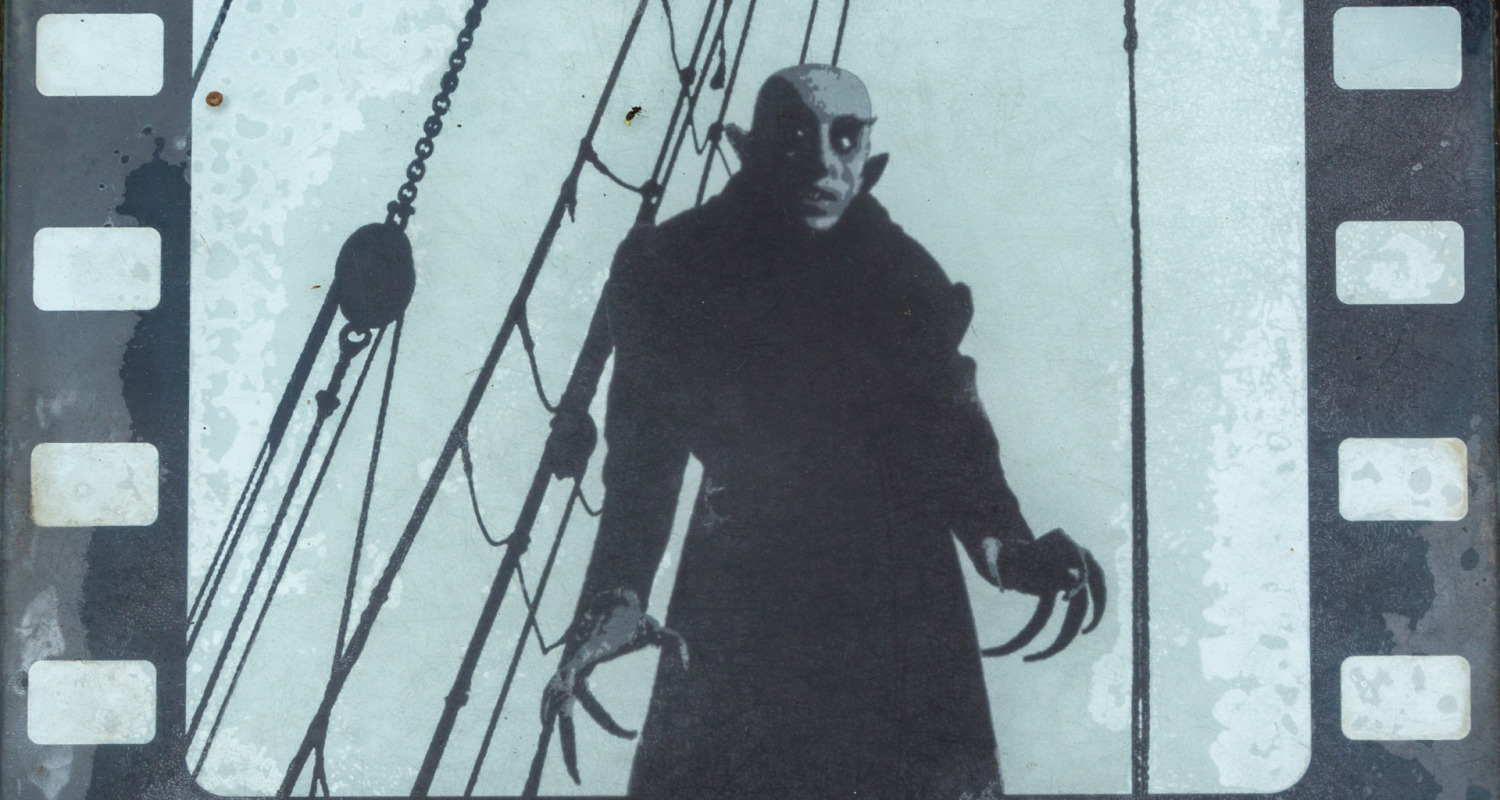
Early vampire films leave no room for ambiguity: here, the vampire is above all one thing – a threat. As early as the silent film era, movies such as Nosferatu (1922) shaped the image of the undead as an alien force that invades an apparently orderly world. He does not only come from the outside, but brings unrest, fear, and decay with him. Alongside this, a second variation already emerges: the aristocratic bloodsucker. Inspired by literary sources such as Bram Stoker’s Dracula, he appears controlled, elegant, and therefore all the more dangerous.
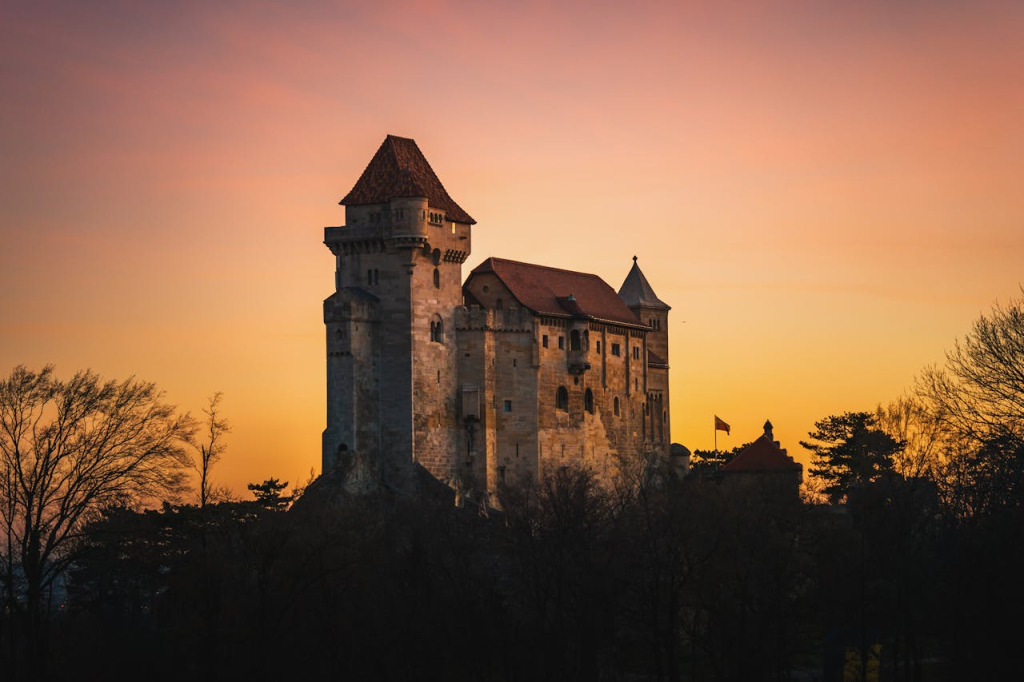
Accordingly, the fronts are clearly drawn. On one side stand community, order, and morality; on the other, the dark, the alien, and the uncontrollable. Atmospherically, early films rely on reduction. In the silent film era, live music and sparse compositions carry the mood, while silence is used deliberately to build tension. The horror arises through anticipation – through shadows, glances, and the feeling that something ominous has long been present in the room.
Lestat & Co.: Bloodsucking Antiheroes of the Modern Era
From the late 1980s onward, the vampire transforms from a dark monster into a tormented antihero. He no longer lives in castles, but in the streets of the big city. Films of this era blend horror with action and pop-cultural references, with the vampire no longer being purely evil but also a seductive outsider with inner conflicts. In The Lost Boys (1987), the bloodsucker becomes a rebellious teenager; in Interview with the Vampire (1994), a tragic figure struggling with the burden of eternal life.
At the same time, the music also changes. The soundtrack now becomes an integral part of mood and characterization. Pop and rock music elevate the vampire film to a new dimension. In Blade (1998), for example, horror is intensified by electronic beats and pulsating sounds, turning the vampire into an almost futuristic art figure.
Bloodlust and Self-Control: How Modern Vampire Films Reflect Society
Since the 2000s, vampire films have increasingly focused on quiet, atmospheric storytelling. Instead of hectic action, complex characters and evocative imagery now take center stage. The vampire experiences a renewed resurrection as a metaphor for existential questions: in films such as Let the Right One In (2008) or Only Lovers Left Alive (2013), he is portrayed as a figure struggling with his own nature. Bloodlust becomes an addiction that calls control and identity into question – a mirror of the inner conflicts also visible in society.
The sound in this phase is once again more subtle, more reduced as in the silent film era, and overall more minimalistic. Long takes and almost tangible silence allow tension to grow. The horror here does not arise from jump scares, but from the delicate, almost imperceptible atmosphere that draws the viewer into the dark world of the characters.
Vampires in Your Ears with Headphones from Teufel

REAL BLUE PRO + FeinTech BT200 Bluetooth Audio Transmitter
349,99 €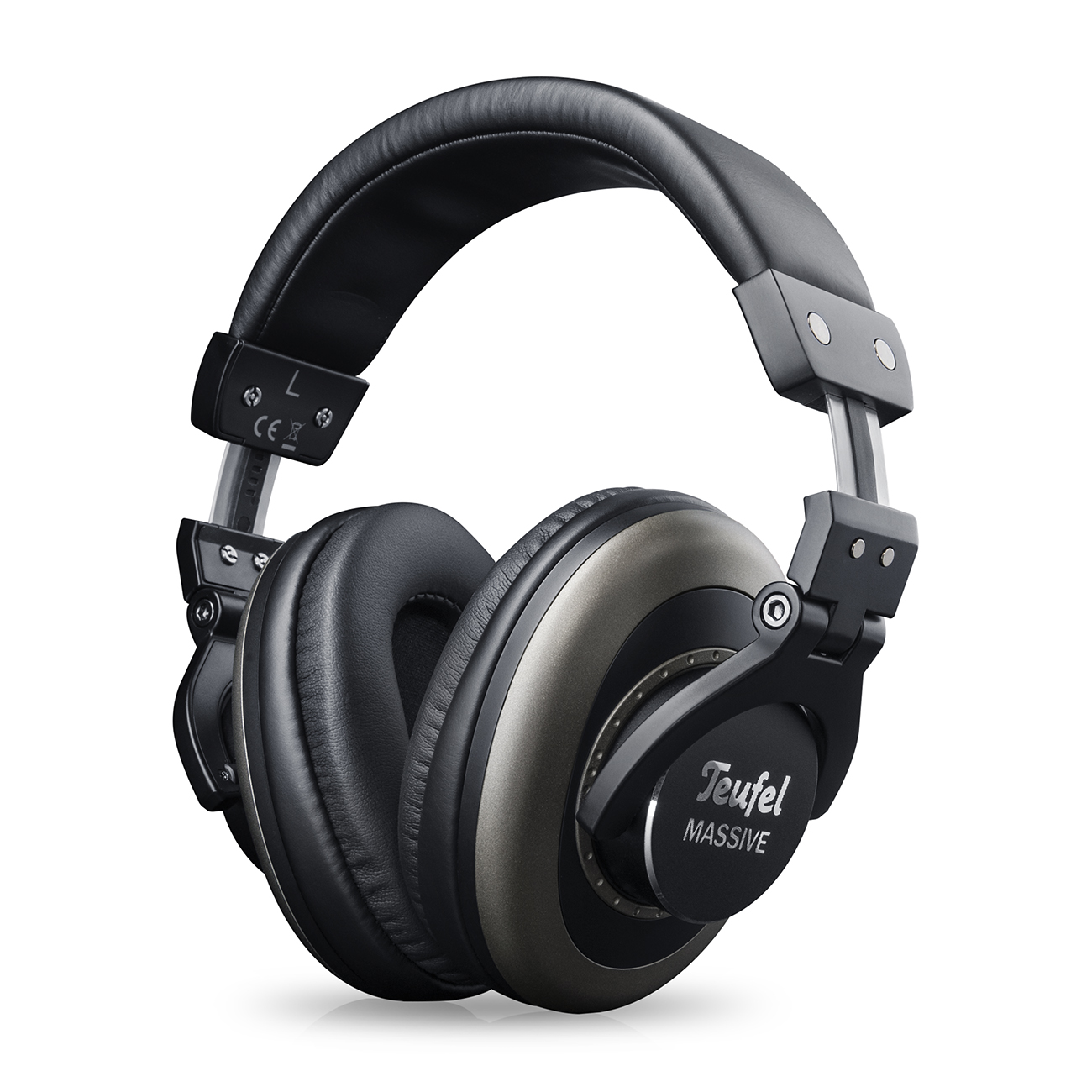
Teufel MASSIVE
99,99 €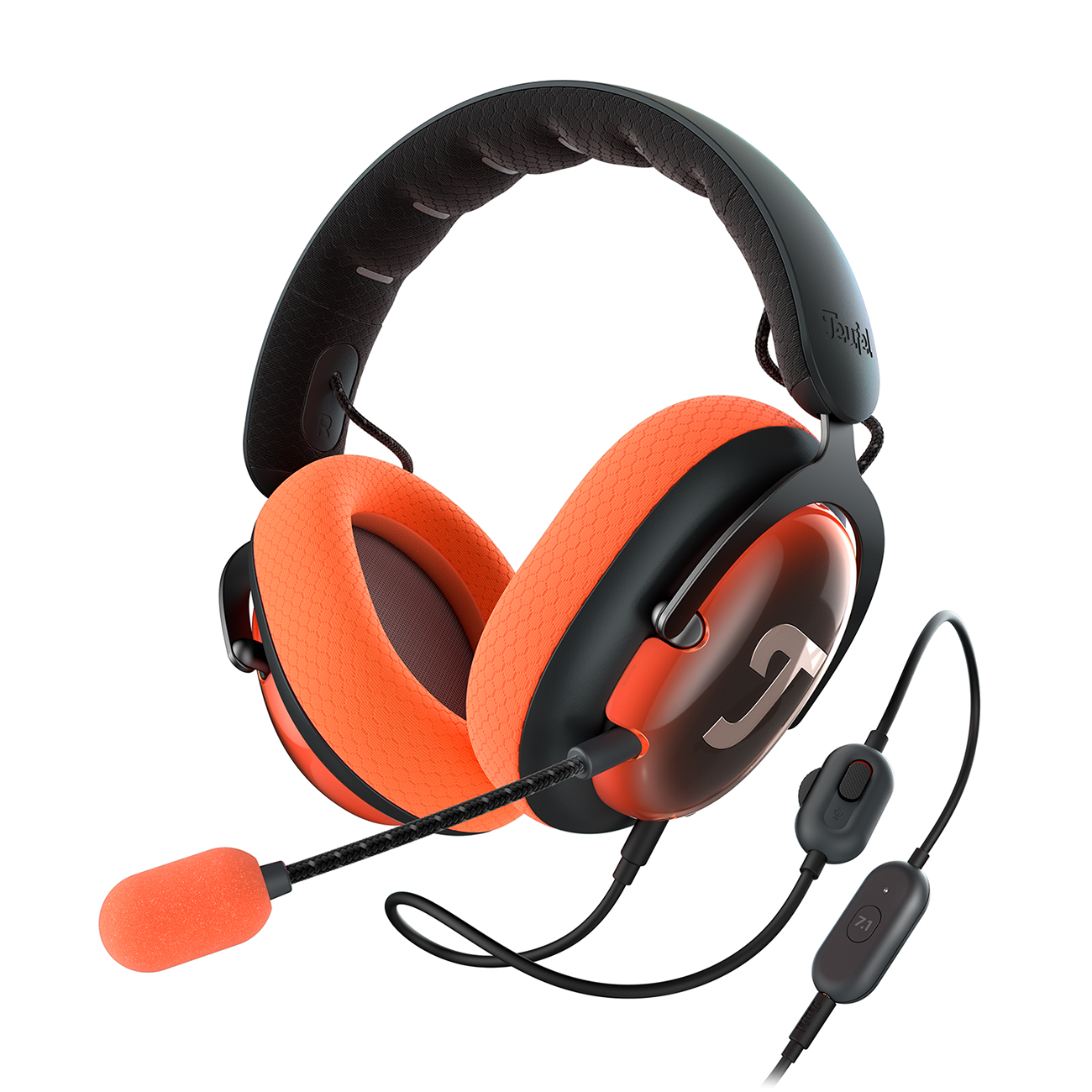
ZOLA
119,99 €The 5 Best Vampire Films at a Glance
This selection illustrates the development of the vampire film through defining examples. Each film represents a specific phase of the genre and shows how the figure of the vampire has evolved from a monster into a complex metaphor.
Nosferatu (1922) and (2024)
F. W. Murnau’s Nosferatu (1922) is considered a masterpiece of early horror cinema. The vampire Count Orlok is a dark, almost catastrophic figure who invades a small northern German town as a pure threat, spreading disease and death. With his animalistic movements and eerie presence, the film creates a suffocating atmosphere that portrays the vampire as a monstrous embodiment of social fears. Even today, the film can be experienced in many cinemas with a live orchestra.
In Robert Eggers’ reinterpretation of Nosferatu (2024), Count Orlok becomes a more complex, tragic figure. The relationship with Ellen also develops into a psychological game between desire and threat. The film score by Robin Carolan avoids classic horror tones and instead relies on melancholic, tragic sounds that enhance the emotional depth and dark atmosphere of the film. It was rightfully awarded the Hollywood Music in Media Award for Best Original Score in a horror film.
Blade (1998)
Blade relocates the vampire story to a contemporary big city. The title character – half human, half vampire – fights against a secret society of bloodsuckers and moves between two worlds. The film combines horror, action, and comic-book aesthetics and presents the vampire as a complex figure who also appears as an exceptional fighter.
The film score was composed by Mark Isham, a Grammy- and Emmy-winning composer. In addition to his score, an electronically influenced soundtrack with hip-hop and techno elements shapes the film and reinforces its energetic style. The soundtrack reached high chart positions and was even certified gold in the United States.
From Dusk Till Dawn (1996)
Robert Rodriguez’s From Dusk Till Dawn (1996), based on a screenplay by Quentin Tarantino, begins as a hard-hitting crime story before abruptly transforming into a bloody vampire horror film. In a remote bar, the guests turn out to be bloodthirsty creatures, and chaos quickly ensues. The film marks the beginning of the pop-culture phase of the vampire genre, in which horror is freely combined with action and dark humor.
The film music is in classic Tarantino style and was composed by Graeme Revell. The soundtrack is heavily influenced by Texas blues, rock, and Tex-Mex. Revell received multiple awards for his work and was nominated, among others, for the Fangoria Chainsaw Award for his music for From Dusk Till Dawn.
Sinners (2025)
Ryan Coogler’s vampire film is set in the southern United States in the 1930s, a time when African Americans faced severe discrimination. The film combines horror with the musical and cultural movement of the blues. The story follows two brothers who open a bar and soon find themselves confronted with a sinister, supernatural threat. In Coogler’s work, the vampire also becomes a symbol of exploitation and power structures that shaped society at the time.
The film score was composed by Ludwig Göransson and combines Mississippi blues and folk instruments with dark horror elements. Göransson used, among other things, a resonator guitar as a sonic leitmotif and closely intertwined the music with the blues performances featured in the film. For this work, Göransson was awarded the Academy Award for Best Original Score at the 98th Academy Awards in 2026 – his third Oscar overall.
Reading tip: The Best Movie Soundtracks.
Home Cinema for Vampire Nights: Complete Systems for Maximum Dark Atmosphere
 Opens in new tab
▶ SYSTEM 6 THX + DENON X3800H for Dolby Atmos “5.2.4 Set”Opens in new tab: The THX-certified surround systemOpens in new tab enables precise positioning and high dynamics. Whispering, footsteps, or atmospheric sounds feel more intense.
▶ THEATER 500 Surround + DENON X3800H for Dolby Atmos “5.1.2”Opens in new tab: Powerful, detailed sound with a large sense of space. This complete systemOpens in new tab is particularly suitable for vampire films with orchestral scores or dense soundscapes.
Discover More Home Cinema Systems
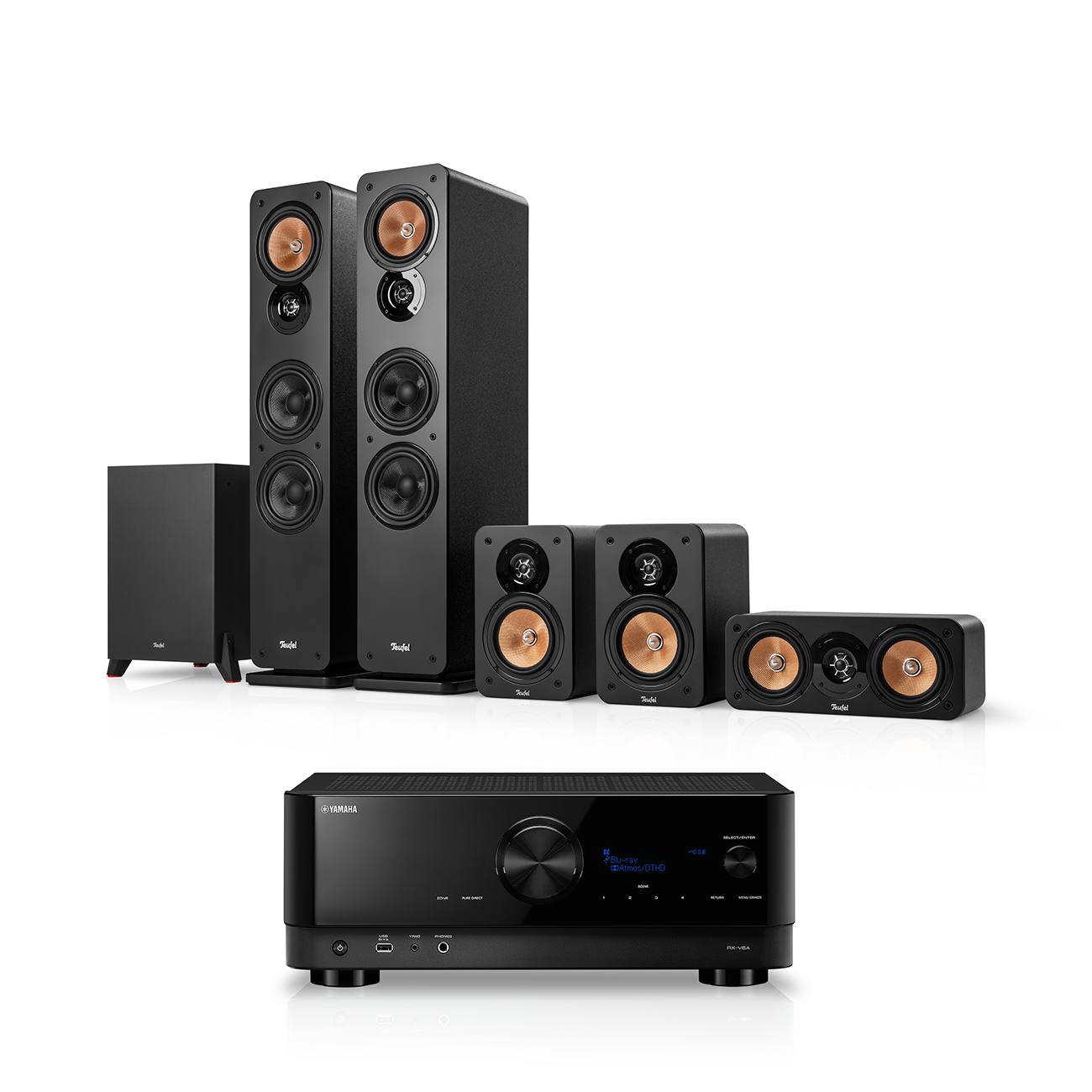
ULTIMA 40 Surround + Yamaha RX-V6A "5.1-Set"
1199,99 €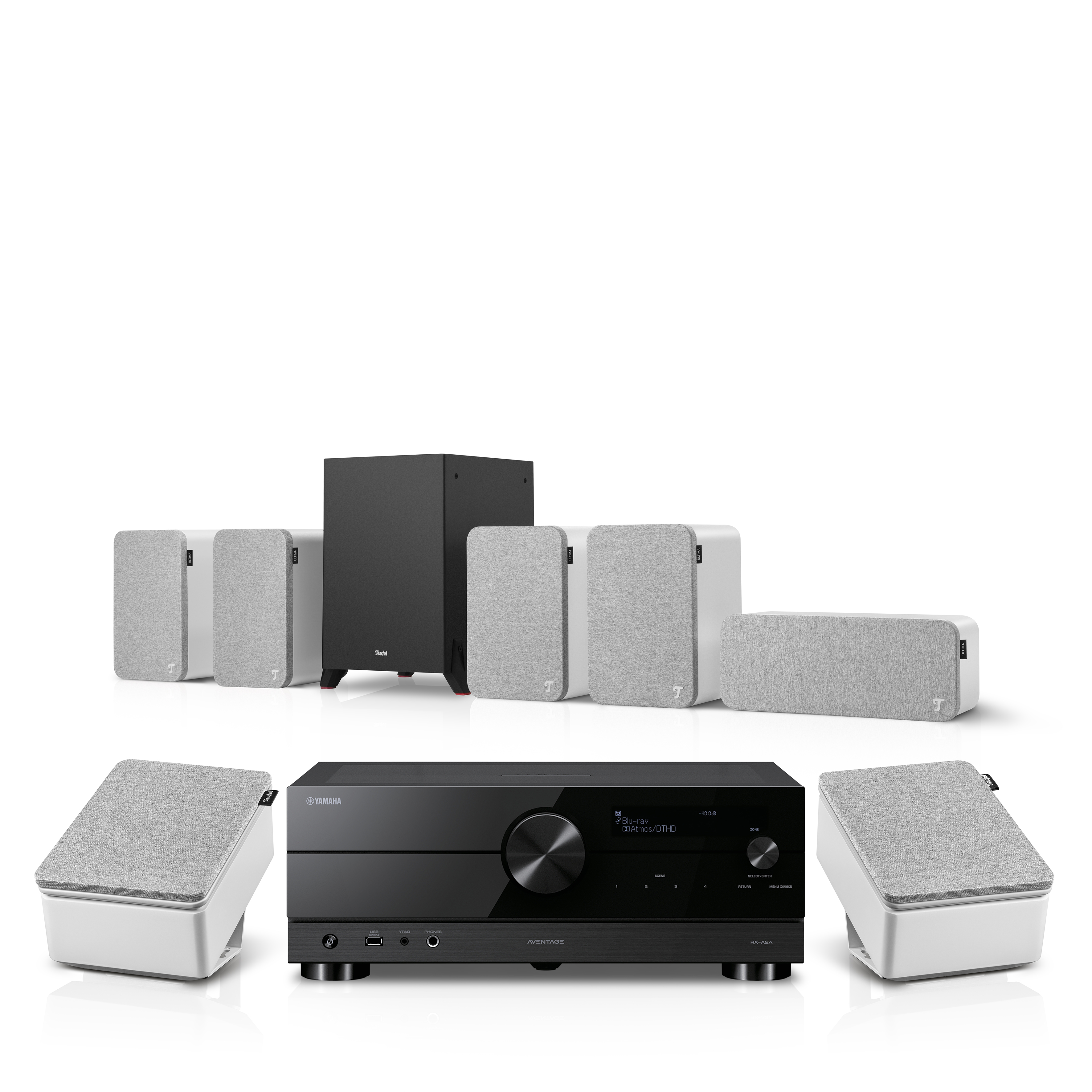
ULTIMA 20 Surround + Yamaha RX-A2A for Dolby Atmos 5.1.2
1599,99 €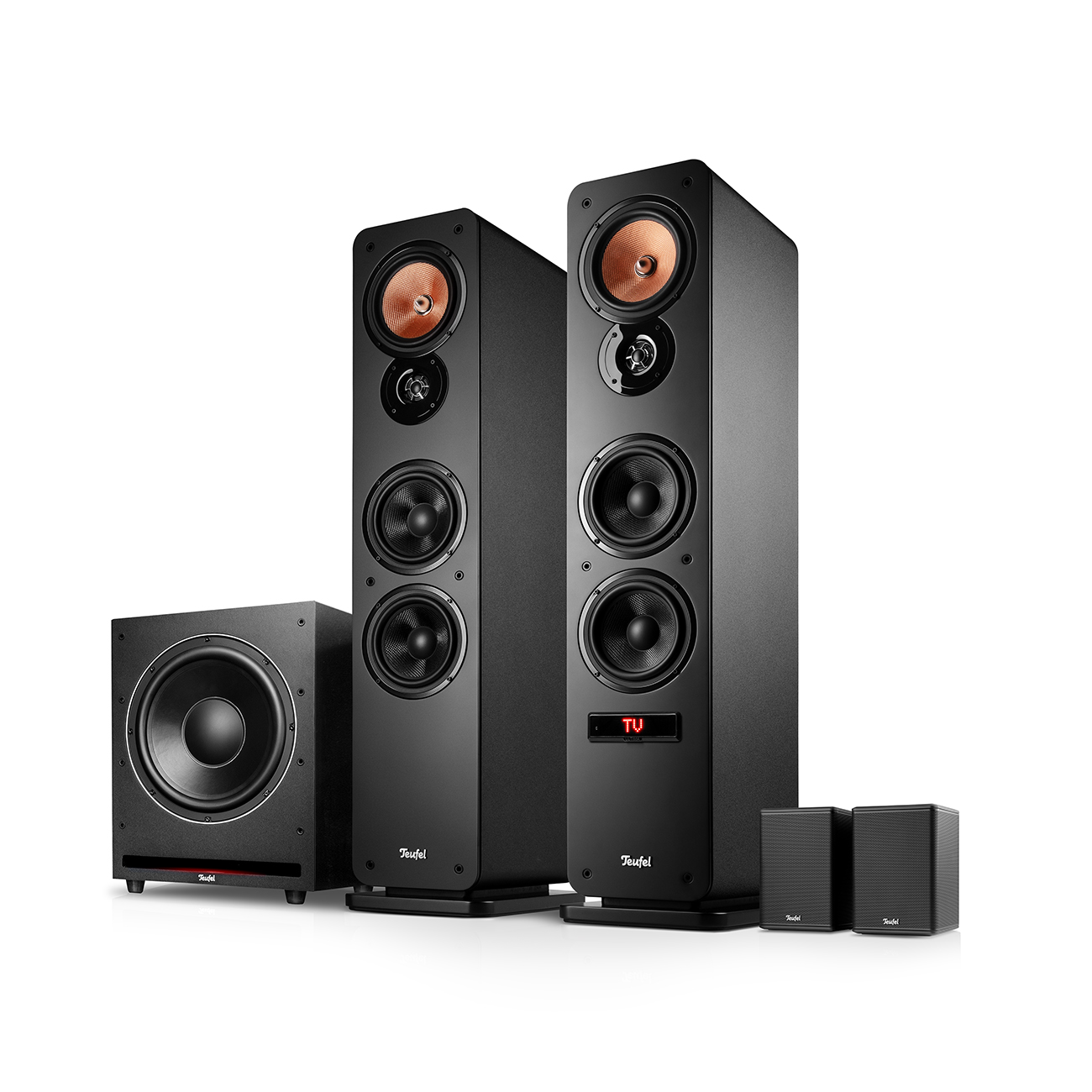
Conclusion: Why Vampire Films Remain Timeless
- Vampire films reflect social fears and trends.
- From monster to antihero – the figure of the vampire has continuously evolved.
- Modern films deliberately rely on minimalist soundtracks to create tension and an eerie atmosphere.
- A good sound system intensifies the experience and makes vampire films even more impactful.
Frequently Asked Questions About Vampire Films
A vampire film is defined by bloodsucking, usually undead beings at its center, who possess supernatural abilities and live off the blood of others. These elements stem from vampire mythology and are central to most cinematic portrayals.
Vampire films exert a special fascination because vampires cross fundamental boundaries – between life and death, human and monster, desire and disgust. This mixture of danger and seduction makes them both repulsive and appealing. The vampire is often staged as a charismatic yet threatening figure, which intensifies the constant conflict between fear and desire. This ambivalence ensures that vampire films remain exciting and relevant time and again.
No, vampire films do not always belong to the horror genre, but often overlap with drama, action, fantasy, or romance. Vampires appear in many different cinematic contexts, which makes the genre particularly versatile.
Title image: ©J.-H. JanßenOpens in new tab via Wikimedia CommonsOpens in new tab, CC0 1.0Opens in new tab.
Image 1: ©Michael PointerOpens in new tab | Source: PexelsOpens in new tab